
You notice the small stuff first. Your dog skips breakfast, your cat hides more than usual, or a scratch that looked minor yesterday suddenly seems angry and red. That uneasy feeling builds fast because pets cannot explain what hurts, and waiting too long can turn a simple problem into a bigger one. Most people do not need a specialist right away. They need a trusted general veterinarian in Newark who handles the care pets need most often, spots trouble early, and helps keep routine issues from becoming emergencies.
A general veterinary clinic is where most pet care starts and, for many families, where most pet care stays. From exams and vaccines to skin issues and basic diagnostics, these clinics cover the day to day medical needs that keep dogs and cats safe, comfortable, and active. If you have been wondering what a clinic actually does beyond shots, the answer is broader than many pet owners expect.
Wellness exams and preventive care keep small problems from turning serious
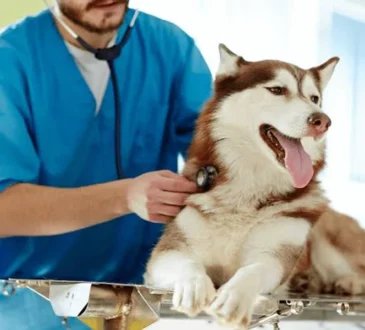
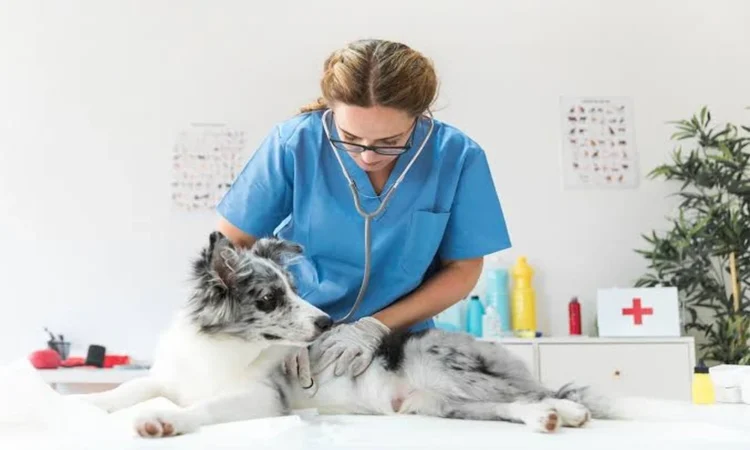
One of the most common services at a general veterinary clinic is preventive care. That includes physical exams, vaccines, parasite prevention, weight checks, dental screening, and guidance based on your pet’s age and lifestyle. A puppy that visits dog parks has different risks than a senior dog that spends most of the day indoors. A cat that slips outside now and then needs a different conversation than one that never leaves the house.
This is where regular visits pay off. A vet can catch ear infections, dental disease, heart murmurs, skin trouble, joint pain, and weight gain before they disrupt your pet’s daily life. According to the CDC’s healthy dog guidance, routine veterinary care is part of protecting both your dog’s health and your household’s health. That matters more than people realize, especially when parasites, bites, or infections are involved.
Preventive care also helps with cost control. Treating a mild issue during a wellness visit is usually easier than dealing with advanced disease later. You are not just paying for an exam. You are buying time, context, and a clearer picture of what is normal for your pet.
Diagnostic testing helps a general veterinarian find the cause faster
Pets often show the same outward signs for very different problems. Vomiting could mean a diet issue, a blockage, pancreatitis, parasites, or stress. Limping could be a nail injury, a sprain, arthritis, or something lodged in the paw. Guessing wastes time and can make things worse.
That is why diagnostic services are one of the core offerings at a general veterinary clinic. Many clinics provide bloodwork, fecal testing, urinalysis, skin testing, ear cytology, and X rays. Some also offer ultrasound or send samples to outside labs for a closer look. These tools help the vet move from symptoms to answers instead of treating in the dark.
You see the value most clearly when the problem looks simple but is not. A dog with bad breath may actually have painful dental disease. A cat drinking more water may have kidney disease or diabetes. A pet that seems tired may be dealing with infection, anemia, or thyroid trouble. Basic testing often changes the treatment plan in a way that saves money, reduces suffering, and avoids repeat visits.
General veterinary services include treatment for common illnesses and minor injuries
Most clinics spend a large part of the day treating everyday medical problems. Ear infections, hot spots, allergies, upset stomachs, urinary issues, coughing, eye irritation, minor wounds, and skin lumps all fall within the scope of a general practice. This is the part of care many owners need most because life with pets is messy, active, and unpredictable.
You may have seen it happen in a few hours. Your dog starts licking one paw nonstop. Your cat stops using the litter box normally. A small cut from rough play becomes swollen by morning. These are not always emergencies, but they do need attention. A veterinary clinic can examine the problem, prescribe medication, clean wounds, recommend follow up care, and tell you when a referral is needed.
General practices also manage many ongoing conditions. Arthritis, allergies, thyroid disease, diabetes, and chronic ear trouble often need long term monitoring. Clinics like the Cornell Small Animal Community Practice reflect how broad this level of care can be, with routine medicine, ongoing disease management, and practical support for common pet health needs.
Dental care and basic procedures are part of common animal clinic services
Dental disease tends to hide in plain sight. Pets keep eating, keep playing, and keep acting normal long after their mouths start hurting. By the time you smell the bad breath or notice dropping food, the problem may already involve infection, loose teeth, or gum damage.
Many animal clinic services include dental exams, cleanings, extractions when needed, and advice for home care. General clinics also commonly perform spay and neuter surgery, lump checks, wound treatment, nail care, and other minor procedures. These services matter because they address the issues pet owners run into again and again, not just the dramatic emergencies people picture when they think of veterinary medicine.
| Service | What It Covers | Why It Matters |
|---|---|---|
| Wellness and prevention | Exams, vaccines, parasite control, weight and dental checks | Finds early disease and lowers the risk of preventable illness |
| Diagnostics | Bloodwork, fecal tests, urinalysis, imaging, skin and ear testing | Identifies the real cause of symptoms so treatment is more accurate |
| Illness and injury treatment | Ear infections, stomach upset, allergies, wounds, urinary issues | Relieves pain quickly and helps avoid complications |
| Dental care and minor procedures | Cleanings, extractions, spay and neuter, lump evaluation, wound care | Improves comfort, prevents infection, and supports long term health |
Clear next steps make general pet care less overwhelming
Track changes before the visit. Write down when the problem started, how often it happens, what your pet is eating, and any change in behavior. A short timeline helps the vet more than a vague memory formed in a stressful moment.
Stay current on routine care. Annual or twice yearly exams, vaccine review, parasite prevention, and dental checks give your general veterinarian a baseline. That baseline makes it easier to spot what changed and why.
Ask what can be handled in house. Many owners assume they need a specialist for every concern. Often, a general clinic can manage diagnostics, treatment, and follow up for the issue in front of you. When referral care is needed, your vet can guide that step too.
Good pet care does not have to start with a crisis. For most families, it starts with a clinic that knows your pet, catches patterns early, and handles the routine medical needs that matter most. If your pet has been acting off or is due for preventive care, schedule a visit with a general veterinary clinic and get clear answers before a small concern grows into something harder to treat.