

You get through surgery, bring your pet home, set up the medications, watch every step they take, and hope the hardest part is over. For many owners, this is the stretch that feels the most uncertain. Your pet cannot explain what hurts, whether the incision feels different, or if their energy drop is normal healing or something else. That is why follow up care after surgery matters so much, especially when guided by a board-certified veterinary surgeon in Chicago. The operation is only one part of recovery. The appointments that come after it help confirm healing is on track, catch problems early, and give you clear answers when you are tired of guessing.
Missing a recheck can turn a manageable issue into a painful setback. Swelling, infection, delayed healing, poor appetite, medication side effects, and hidden internal problems do not always show up in obvious ways at home. A post operative veterinary appointment gives your surgical veterinarian a chance to examine your pet before a small concern grows into an emergency.
Post surgical follow up appointments protect your pet during the most uncertain stage of recovery
The first days after surgery can be messy and stressful. Your pet may be sleepy, restless, clingy, or unusually quiet. You may be checking the incision ten times a day and still wondering if it looks right. That worry is normal. Recovery rarely looks perfectly neat at home.
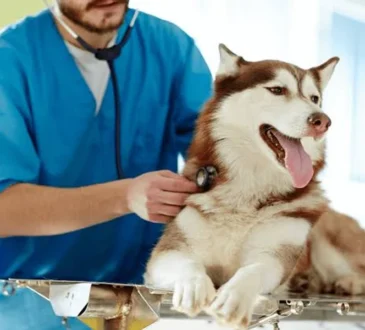
What makes follow up visits so useful is that they replace guesswork with examination. Your veterinarian can assess pain control, hydration, appetite, mobility, incision healing, and how your pet is responding to medication. If movement needs to be restricted longer, if bandages need to be changed, or if a drain, staples, or sutures need removal, those details are handled at the right time instead of too early or too late.
There is also the problem owners do not always see coming. Pets often act better before they are actually healed. A dog may want to run before the surgical site is stable. A cat may hide discomfort until an infection has already advanced. Regular after surgery checkups for pets help line up your pet’s behavior with their real healing progress, not just what looks fine on the surface.
Human medical guidance makes the same point. After-surgery care recommendations stress watching for changes in pain, wound healing, fever, and other signs that need medical review. Guidance on surgical wound care at home also shows how much proper monitoring affects recovery. Even in major human procedures such as heart operations, recovery after surgery depends on ongoing follow up, activity limits, and careful reassessment. The same pattern applies in veterinary surgery. Healing needs observation, not hope alone.
Skipping a surgical recheck can create emotional and financial strain
It is easy to think a follow up visit is optional when your pet seems mostly normal. That decision can get expensive fast. An incision that starts with mild redness may become infected. A pet that licks a wound at night may open the site without you noticing right away. A medication that causes stomach upset may lead to dehydration if it is not adjusted. These are common situations, and they usually cost less to fix when found early.
There is the emotional side too. When something looks off at 9 p.m., many owners freeze between waiting and rushing to an emergency clinic. A scheduled recheck lowers the odds of that panic because your pet is being monitored by the team that knows the procedure, the expected healing timeline, and the warning signs tied to that specific surgery.
This is where a surgical veterinarian becomes more than the person who performed the procedure. They are also tracking recovery, judging whether healing is progressing as expected, and adjusting the plan when it is not.
Recovery problems are easier to manage when found early
Some complications are obvious, such as bleeding, vomiting, or a torn bandage. Others are subtle. A pet may stop putting full weight on a limb, sleep more than expected, resist being picked up, or lose interest in food. Owners often tell themselves they are being overly anxious. Sometimes they are noticing the first real sign that something is wrong.
Follow up appointments create a checkpoint. Your veterinarian can compare swelling, pain, temperature, and tissue healing over time. That trend matters. One photo on your phone may not tell the full story, but an in person exam often does.
| Situation | Seen at Home | Addressed at Follow Up | Risk if Delayed |
|---|---|---|---|
| Mild redness at incision | May seem minor | Exam checks for irritation, infection, or self trauma | Infection, wound opening |
| Lower appetite | Easy to blame on stress | Medication review and hydration assessment | Weight loss, dehydration, slower healing |
| Improved energy too soon | Looks like recovery is done | Activity limits adjusted based on healing | Reinjury, internal strain, incision damage |
| Licking or scratching | Can happen when unsupervised | Barrier options and wound check | Delayed healing, contamination |
The best post surgery care includes clear action at home
Keep a daily recovery log. Write down appetite, water intake, bathroom habits, medication times, energy level, and any incision changes. If something shifts gradually, a written log catches it faster than memory does.
Follow the restriction plan exactly. If your pet was told no stairs, no jumping, or leash walks only, treat that as part of the treatment, not a suggestion. Many setbacks happen because a pet seems better before tissues are ready.
Show up to every scheduled recheck. If transportation, timing, or cost is a problem, call the clinic before the appointment is missed. Many practices can help you decide what is urgent, what can be adjusted, and what should never wait.
Consistent follow up appointments support a safer recovery
Recovery is not always smooth, even when surgery goes well. That does not mean you are doing anything wrong. It means healing has stages, and each stage benefits from trained eyes. Post surgical follow up appointments give your pet a better chance at a steady recovery and give you something just as valuable, a clearer sense of what is normal, what is not, and what to do next.
If your pet has surgery scheduled or is already recovering, make every recheck part of the plan from day one. Staying consistent with follow up care can spare your pet pain and spare you a crisis that could have been prevented.