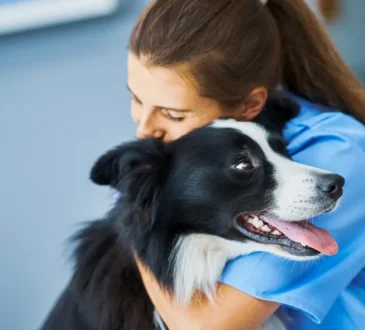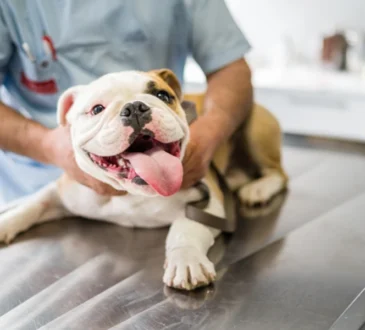

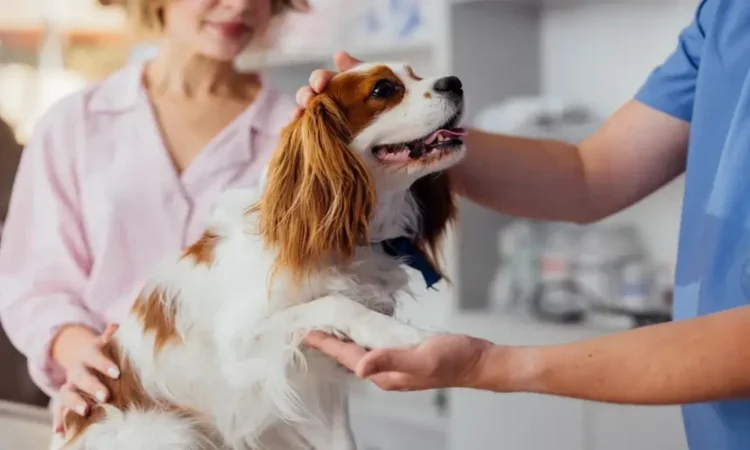
You might not think about an animal hospital until something feels off. Your dog skips a meal, your cat starts hiding, or a small limp lasts longer than it should, and suddenly the easy rhythm of daily life feels shaky. That shift can be stressful because pets cannot tell you what hurts, and waiting too long can turn a small issue into a harder one. The short version is simple. Regular care at an animal hospital and visits to a veterinarian in Oakville helps catch problems early, supports prevention, and gives your pet a better chance at a longer, healthier life.
For many pet owners, the change from “everything seems fine” to “I need answers now” happens fast. Because of that, it helps to have a trusted place for both routine visits and urgent concerns. An animal hospital is not only for emergencies. It is where your pet’s health history is tracked over time, where changes in weight, behavior, teeth, skin, mobility, and lab results can be noticed before they become severe.
Why does long term pet health depend on regular animal hospital care?
It is easy to assume that if your pet is eating, playing, and sleeping normally, everything must be okay. Sometimes that is true. Sometimes it is not. Many health conditions build slowly and quietly. Dental disease, arthritis, heart issues, kidney trouble, parasites, and weight related illness often begin with signs so mild that they blend into everyday life.
That is where long term pet health and routine hospital care connect. During wellness exams, a veterinary team checks more than the obvious. They look for patterns. Has your pet gained weight over the last year? Is that “slowing down” really aging, or could it be pain? Is a skin issue seasonal, or part of a larger immune problem? These are the kinds of questions that shape better outcomes.
If you have a dog, basic preventive care matters even more than many people realize. The CDC’s dog health guidance highlights the role of regular veterinary care, vaccines, parasite prevention, and safe daily habits in protecting both pets and people. That kind of prevention is not extra. It is part of responsible, steady care.
What can happen when small pet health problems are missed?
A missed problem is not always a sign of neglect. Often, it is just life. Work gets busy, budgets get tight, and pets are experts at masking pain. Still, the cost of waiting can be high. A mild ear infection can become a deeper, painful problem. Plaque can turn into advanced dental disease. A bit of extra weight can slowly strain joints, the heart, and blood sugar control.
So, where does that leave you? Usually in a difficult spot, balancing worry, cost, and uncertainty. Emergency treatment is often more expensive than preventive care, and it can be more physically taxing for your pet. That is one reason veterinary hospital care matters so much over time. It creates continuity. Instead of reacting only when things go wrong, you build a plan that lowers risk and supports earlier treatment.
Animal hospitals also offer access to diagnostics that a standard home check simply cannot provide. Blood work, imaging, dental exams, urinalysis, and monitoring tools can reveal hidden disease before symptoms are obvious. At places like the Cornell Companion Animal Hospital, you can see how hospital based veterinary care brings together preventive medicine, specialty support, and treatment under one roof. That model shows why a hospital setting can be so helpful when a pet’s needs become more complex.
How does an animal hospital compare to waiting and watching at home?
Watching your pet closely at home is important, and no one knows your animal’s normal habits better than you do. Still, home observation works best when it is paired with professional care. The table below shows why that difference matters in real life.
| Approach | What it helps with | Main risk | Likely long term result |
|---|---|---|---|
| Wait and watch at home | Tracking appetite, mood, bathroom habits, and energy | Hidden illness may go unnoticed until symptoms worsen | Can delay treatment and raise costs later |
| Routine animal hospital visits | Wellness exams, vaccines, dental checks, lab screening, weight monitoring | Requires planning and ongoing expense | Better chance of early detection and steadier health over time |
| Hospital care after symptoms become severe | Urgent treatment, diagnostics, pain control, surgery if needed | Higher emotional and financial stress | Can stabilize serious problems, but often after avoidable decline |
This is why pet health care works best as a long game. The goal is not to eliminate every problem. The goal is to reduce surprises, respond earlier, and keep your pet comfortable and active for as many years as possible.
What steps can you take now to support your pet’s long term health?
1. Schedule routine exams before there is a crisis.
If your pet seems fine, that is actually the best time to establish regular care. Annual visits are common for healthy adult pets, while puppies, kittens, seniors, and pets with ongoing conditions may need more frequent checkups. A routine visit gives your veterinary team a baseline, which makes future changes easier to spot.
2. Track small changes at home and bring notes.
Write down shifts in appetite, thirst, bathroom habits, sleep, movement, coughing, scratching, or behavior. Even small details matter. If your pet has had two weeks of slower walks or a sudden change in water intake, that information can guide faster and more accurate care at the animal hospital.
3. Ask for a prevention plan, not just treatment.
Good care is not only about fixing a problem after it appears. Ask about vaccines, dental care, parasite prevention, weight goals, nutrition, and age related screening. If costs are a concern, say so. A veterinary team can often help you prioritize the most important steps first.
What does this mean for your pet going forward?
Your pet depends on you for the quiet decisions that shape health over time. Not just the big emergency choices, but the smaller ones too. The checkup you almost put off. The dental exam you were unsure about. The follow up visit after a subtle change in behavior. Those moments matter because they build a safer path forward.
Animal hospitals are essential for long term pet health because they give you more than treatment. They give you context, continuity, and a better chance to protect the life you share with your pet. If you have been waiting for a sign to book that visit, this may be it.