
You might be feeling that shift from routine to alarm. One coughing dog becomes three. A cat with sudden fever is followed by another with the same signs. Staff start asking harder questions, pet owners grow anxious, and the day no longer feels ordinary. That is often how an outbreak begins in a Gainesville veterinary clinic veterinary setting, with small clues that quickly change the mood of the whole hospital.
When that happens, a veterinary hospital has to move fast without creating panic. The short version is simple. Teams identify the risk, isolate exposed animals, protect staff, tighten cleaning, track contacts, and communicate clearly with pet owners and public health partners when needed. How veterinary hospitals handle infectious disease outbreaks is not just about medicine. It is also about trust, timing, and calm decision making under pressure.
What changes inside a veterinary hospital when an outbreak is suspected?
Once a possible outbreak is on the radar, the hospital shifts from normal workflow to outbreak response. That usually starts with triage. Animals with coughing, vomiting, diarrhea, fever, skin lesions, or neurologic signs may be moved away from the general population right away. Separate entrances, exam rooms, or treatment areas can help reduce spread while the team gathers more information.
Because of this tension, you might wonder what staff are looking for first. They are trying to answer a few urgent questions. Is this likely contagious? Which animals were exposed? Could people be at risk too? Some diseases stay within a species, while others can cross over to humans. That is why hospitals often rely on guidance from trusted sources like the CDC’s veterinary clinical resources when zoonotic disease is a concern.
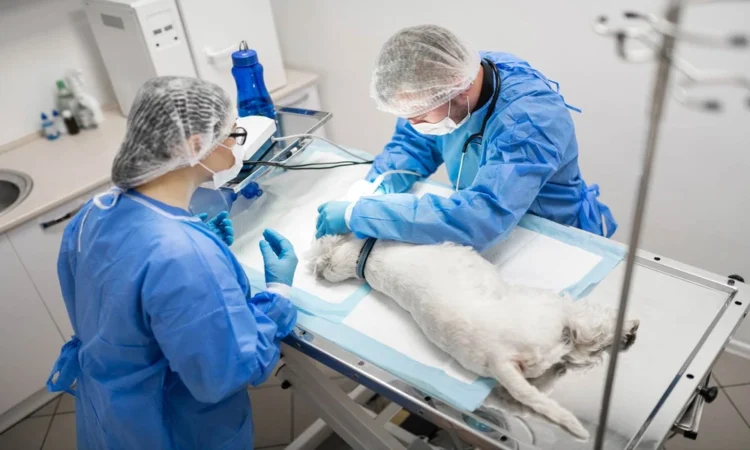
At the same time, infection control steps become stricter. Personal protective equipment may change based on the disease in question. Cleaning products may be upgraded to match the organism. Shared tools, bowls, leashes, and bedding may be removed or assigned to one patient only. Even the flow of people through the building matters, since a staff member moving from isolation to a treatment area without proper precautions can unintentionally spread infection.
Why can animal disease outbreaks become so disruptive so quickly?
The hard part is that contagious disease rarely affects only one patient. It can disrupt boarding, surgery schedules, routine appointments, staffing, and revenue in a matter of days. A kennel cough cluster, a parvovirus exposure, or a suspected feline panleukopenia case can force a hospital to pause normal operations while it traces contacts and deep cleans the building.
There is also the emotional side. Pet owners may feel guilty, frightened, or angry, especially if they believe their pet became sick after a visit. Staff can feel stretched thin, worried about carrying infection home, or burdened by the extra work of isolation and monitoring. In a veterinary infectious disease response, clear communication matters almost as much as clinical skill.
So, where does that leave the hospital? In most cases, it means building a response around three goals. Stop transmission. Protect patients and people. Keep records strong enough to support every decision. Tools like the USDA APHIS outbreak surveillance toolbox can help hospitals and animal health teams organize reporting and surveillance during a suspected event.
How do hospitals balance speed, safety, and daily care during disease control?
They do it by using protocols rather than guesswork. A hospital may create a case definition, such as any dog with cough and nasal discharge within a set time frame, then review medical records to find linked cases. Staff may log where each animal stayed, who handled them, what equipment was used, and when symptoms began. This is how patterns emerge.
Hospitals also adjust the environment. Airflow, traffic patterns, laundry handling, waste disposal, and exam room turnover all matter. If you want a sense of how detailed that can become, the UC Davis infectious disease control protocol shows the kind of structured approach many facilities adapt for their own needs.
Animal hospital outbreak management often depends on one quiet truth. The best response is rarely dramatic. It is disciplined. It is the receptionist who flags a coughing pet before check in, the technician who changes protective gear correctly, and the doctor who documents each exposure with care.
What practical steps matter most during a contagious disease event?
| Response Area | Delayed or Inconsistent Approach | Structured Veterinary Hospital Approach |
|---|---|---|
| Triage | Symptomatic pets wait in common areas | Immediate screening and direct movement to isolation |
| Cleaning | Routine disinfecting without organism specific review | Targeted disinfection based on how the disease spreads |
| Staff Safety | Mixed PPE use and unclear exposure rules | Written PPE standards and exposure tracking |
| Communication | Pet owners hear updates late or in fragments | Timely, calm messaging with clear next steps |
| Records and Surveillance | Cases reviewed one by one | Shared logs, contact tracing, and trend monitoring |
That table may look simple, but the difference is huge. A delay of even a few hours can increase exposure, especially in busy practices, shelters, or boarding connected facilities. Veterinary care works best when every part of the team understands the plan and follows it the same way.
What can you do right away if an outbreak is a concern?
1. Ask about isolation and screening. If your pet is sick, call before arriving. Ask whether the hospital wants you to wait outside, use a side entrance, or go straight to an exam room. That one step can protect other animals and reduce stress for everyone.
2. Keep a clean timeline. Write down when symptoms started, where your pet has been, and which animals they have contacted. Include daycare, boarding, grooming, dog parks, and recent clinic visits. In a disease outbreak in a veterinary hospital, that timeline can help staff trace exposure much faster.
3. Follow discharge and quarantine instructions closely. It is tempting to relax once your pet seems better, but some infections spread before symptoms end or survive in the environment. If the hospital gives cleaning, medication, or isolation instructions, treat them as part of the treatment itself.
When things feel uncertain, what should you remember?
Outbreaks are stressful, but they are not handled by instinct alone. Good hospitals prepare for them, refine their protocols, and respond with structure when the unexpected happens. If you are worried, ask direct questions about testing, isolation, cleaning, and follow up. Clear answers are a good sign that the team is taking the situation seriously.
A strong veterinary hospital does more than treat the sick pet in front of them. It protects the next patient, the staff caring for them, and the families waiting at home. When an infectious threat appears, calm systems matter, and so does your partnership with the care team.