
You might not notice it at first. Your pet still eats, still follows you from room to room, still looks mostly like themselves. Maybe they sleep a little more, drink a little more water, or seem less eager on walks, and a Queen St West Toronto veterinarian can help determine whether those subtle changes mean more than they seem. It is easy to tell yourself it is nothing, and that is part of what makes illness so hard to catch early. The changes can be quiet until they are not. When that shift happens, you are left wondering if you missed something important.
That is why animal hospitals matter so much. They do more than treat pets when something is clearly wrong. They help spot disease before it grows into pain, fear, and much higher costs. In plain terms, regular visits to an animal hospital can mean earlier answers, better treatment options, and a better chance to protect your pet’s quality of life.
Why do early signs of illness so often go unnoticed at home?
Animals are skilled at hiding discomfort. It is a survival trait, and it often works against the people who love them most. A dog with early kidney disease may only seem tired. A cat with dental pain may keep eating, just more slowly. A horse or farm animal may show subtle behavior shifts long before obvious symptoms appear. Because of this, waiting for a clear sign can mean waiting too long.
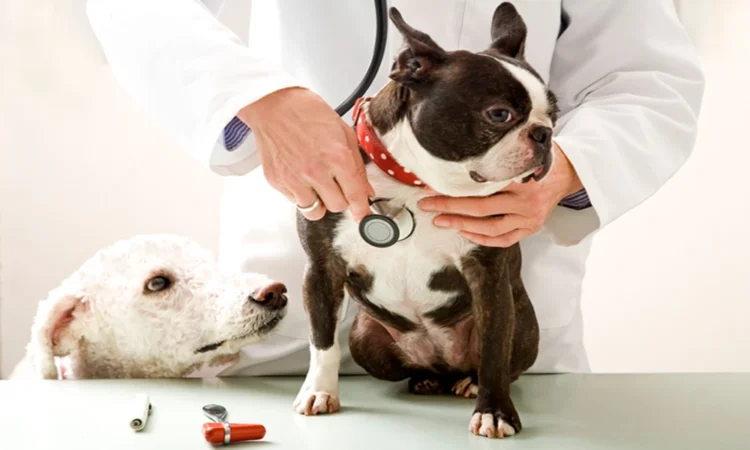
So, where does that leave you? It means home observation matters, but it has limits. An animal hospital brings trained eyes, diagnostic tools, and a baseline history that can catch small changes early. During annual wellness exams, veterinarians look for patterns you may not see, including weight changes, heart murmurs, skin issues, dental disease, and abnormal lab values. These visits are not just routine. They are often the first line of defense.
This is one reason early disease detection in pets can be so effective in a hospital setting. A veterinarian can compare today’s findings to prior exams, ask targeted questions, and recommend testing before a condition turns into an emergency.
What can an animal hospital catch before a problem becomes serious?
Quite a lot, actually. Many common diseases start quietly. Diabetes may begin with mild thirst and weight change. Arthritis may look like “slowing down with age.” Heart disease may show up as exercise intolerance long before collapse. Cancer can sometimes be found through a lump check, bloodwork, or imaging before it spreads far.
And then there is prevention, which often overlaps with detection. Regular parasite screening, vaccine reviews, and blood tests help reveal hidden threats. Preventive care for pets is not only about avoiding illness. It is also about finding silent disease early enough to do something meaningful about it.
What if you wait until symptoms are obvious? In many cases, treatment becomes more intense and more expensive. A mild infection may turn into a hospitalization. Early kidney disease may be managed with diet and monitoring, while advanced disease may require urgent care and complex support. The emotional toll changes too. It is one thing to plan a follow up test. It is another to face a crisis you never saw coming.
For larger animal populations, the same idea applies on a broader scale. Strong surveillance systems help identify patterns of disease before they spread widely. The USDA’s work in animal disease surveillance reflects the same truth seen in everyday veterinary care. Earlier detection supports faster response and better outcomes.
Is waiting really cheaper, or does early detection save more in the long run?
It is understandable to hesitate over the cost of exams and testing. Vet care can feel expensive, especially if your pet seems fine. But delaying care often shifts a manageable problem into a much harder one. The real question is not just what a visit costs today. It is what waiting might cost your pet and your household later.
| Approach | What It Often Looks Like | Likely Outcome |
|---|---|---|
| Routine hospital exam | Physical exam, weight check, dental review, lab work when needed | Early clues found before symptoms become severe |
| Wait for obvious symptoms | Visit only after vomiting, limping, appetite loss, or collapse | More advanced disease, fewer treatment options, higher stress |
| Home monitoring alone | Watching behavior without diagnostic testing | Helpful for day to day changes, but hidden disease may be missed |
This is where animal hospitals and early diagnosis make a real difference. The goal is not to overreact to every small change. It is to create a steady pattern of care so that when something does shift, you are not starting from zero.
What can you do right now to support earlier diagnosis?
1. Schedule regular exams, even when your pet seems healthy.
Consistency matters. A healthy pet visit gives your veterinarian a baseline, and that baseline can reveal small changes over time. For senior pets, more frequent visits may be wise because age related disease can move quietly.
2. Track the small things you would normally dismiss.
Write down changes in appetite, water intake, sleep, mobility, bathroom habits, and behavior. A note on your phone is enough. These details help an animal hospital connect dots that may not be obvious during a short appointment.
3. Ask what screening makes sense for your pet’s age and risk.
Not every animal needs the same tests. Breed, age, lifestyle, and medical history all matter. A basic blood panel, parasite screening, dental exam, or imaging study may be appropriate depending on the situation. The point is to tailor care, not guess.
When your pet seems fine, is an animal hospital still the right place to go?
Yes, because that is often when care works best. By the time disease is visible, it may already be advanced. A trusted animal hospital helps you catch what cannot be seen yet, and that can change the whole course of treatment. It can mean less pain for your pet, fewer emergency decisions for you, and more time spent enjoying the ordinary moments that matter most.
If you have been putting off a checkup because life is busy or because nothing seems urgent, that feeling is more common than you think. Still, one simple appointment can offer clarity and peace of mind. Take the next step and schedule a wellness visit for your pet.