
You might be looking at a cat in foster care, a crowded rescue intake list, or an adoption profile that still needs one more medical note before anyone can say yes. That part can feel heavy. Rescue work moves fast, and cats do not always arrive with a clear history, a clean bill of health, or enough time. Because of that, the bond between rescues and a cat clinic, especially a Calgary cat veterinarian, often becomes the quiet support system that keeps adoptions moving.
The short version is simple. How Cat Clinics Work With Rescue Cats And Adoptions usually comes down to three things. They help cats become medically ready, they help rescues make safe placement decisions, and they help adopters start with clear information instead of guesswork. When that process works well, cats spend less time waiting and more time settling into homes.
Why does a cat clinic matter so much when a rescue cat is waiting for a home?
A rescue cat may look fine at first glance, but many common issues are easy to miss without veterinary care. Upper respiratory infections, parasites, dental pain, skin problems, and stress related illness can all shape whether a cat is comfortable, adoptable, or at risk of getting worse in a shelter or foster setting. That is where a feline rescue veterinary care plan makes a real difference.
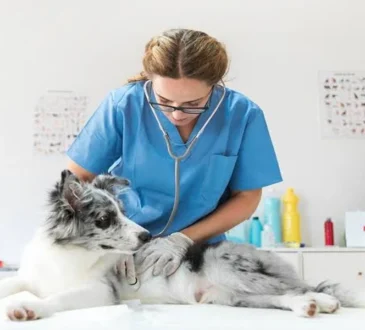
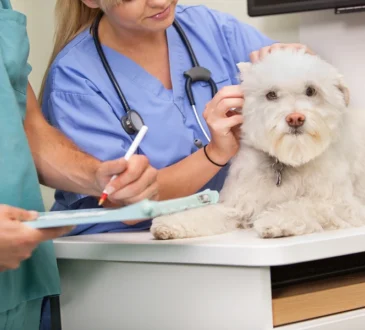
Clinics often step in early with exams, vaccines, testing when needed, spay or neuter services, and treatment plans that fit the rescue’s resources. They also help separate what is urgent from what can wait. That matters more than people realize. A rescue may be balancing ten cats at once, each with different needs, and one delayed appointment can slow down several adoptions.
There is also the emotional side. If you are fostering or adopting, you may worry that a cat with a medical note is a “hard case.” Often, that is not true. It may simply mean the rescue and clinic are doing careful work up front so the next home has fewer surprises.
What does the adoption process look like when shelters and cat clinics work together?
In many cases, the process starts before a cat is even listed for adoption. A rescue brings the cat to a clinic for intake care, then uses that medical information to build an honest adoption profile. If the cat needs treatment, the rescue and clinic may hold adoption until the cat is stable, or they may choose an adopter who understands a longer care plan.
This is one reason cat adoption medical support matters so much. A clinic can explain whether a condition is contagious, short term, chronic, or mostly stress related. That changes everything. A sneezing kitten might need a short pause before placement, while a senior cat with early kidney disease may still be ready for adoption with the right instructions and follow up.
Programs that remove barriers can also help cats leave care faster. The University of Florida’s guidance on ways to super charge cat adoptions points to practical changes that improve placement rates, including clearer communication and more flexible adoption thinking. Their work on community cat pathways also shows that not every cat has the same best outcome. Some need adoption, some need foster support, and some do better through community based placement strategies.
Where do the biggest challenges show up for rescues, adopters, and the cat clinic?
Usually, the hardest part is not one big problem. It is the stack of smaller ones. Limited appointment slots. Tight rescue budgets. Cats with unknown histories. Adopters who want certainty when medicine cannot always promise it. So, where does that leave you?
It leaves you needing good triage and clear expectations. A cat clinic helps a rescue decide which cats need same day care, which can recover in foster, and which are ready for adoption now. That can lower stress for everyone involved. It also protects other cats in the system.
There is a financial layer too. According to the AVMA pet demographic report, cat ownership remains a major part of pet care in the United States, which means demand for veterinary services stays high. When clinics are busy, rescue organizations often need strong relationships and clear protocols to keep cats from falling through scheduling gaps.
What practical differences can a clinic partnership make for rescue cats?
Sometimes the value of a clinic partnership is easiest to see side by side.
| Situation | Without coordinated clinic support | With coordinated clinic support |
|---|---|---|
| Intake exam | Health issues may be missed or discovered late | Early exam helps identify treatment needs and adoption timing |
| Vaccines and parasite control | Higher risk of illness spread in shelter or foster settings | Preventive care lowers risk and supports safer placement |
| Spay or neuter planning | Adoptions may be delayed or require extra coordination | Rescue and clinic can schedule around readiness and recovery |
| Medical disclosure to adopters | Adopters may feel confused or lose trust | Clear records help adopters understand needs and next steps |
| Follow up after adoption | Minor issues can turn into returns or emergencies | Better guidance helps cats stay in their new homes |
This is also where a general cat clinic does more than treat illness. It helps shape outcomes. A clinic can support foster families with medication plans, help rescues decide when a bonded pair should stay together, and guide adopters through the first weeks when stress can make a healthy cat seem unwell.
What can you do right now if you are fostering, adopting, or running a rescue?
1. Ask for the full medical picture.
If you are adopting, ask what care has already been done, what still needs follow up, and what signs should prompt a recheck. If you are fostering, ask for written instructions. Clarity now can prevent panic later.
2. Match the cat to the home, not just the timeline.
A shy cat may need a quieter adopter. A cat with a chronic condition may do well with an experienced owner. Fast placement feels good, but the right placement usually lasts longer.
3. Build a relationship with a clinic that understands rescue flow.
Rescue medicine often needs flexibility, practical treatment plans, and honest communication about costs and outcomes. A clinic that understands that rhythm can help cats move from intake to adoption with fewer setbacks.
What should you take away from all of this?
Rescue and adoption can feel messy because real life is messy. Cats arrive scared, sick, pregnant, injured, under socialized, or simply unlucky. Still, when rescues and veterinary teams work together, many of those cats get a real chance at a stable home. That is the heart of how cat clinics work with rescue cats and adoptions. Good medical care does not just treat problems. It creates trust, supports better matches, and helps more cats stay where they belong.
If you are weighing your next step, whether that means fostering, adopting, or finding the right clinic support, start by asking better questions and getting clear medical guidance. That alone can change the path for a rescue cat.