

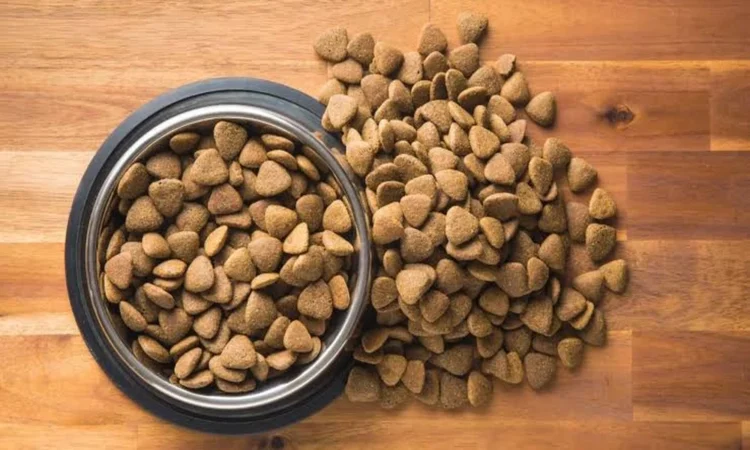
Choosing a suitable manufacturing partner demands careful study of multiple important areas. Order volume capacity forms one primary concern for any business seeking steady output. Companies frequently look at private label pet food arrangements when they want consistent product supply without building their own plants. Strong quality systems provide another essential element during the full evaluation process. Fair pricing structures along with reliable shipping complete the set of factors that deserve close attention from the beginning of any search.
Assessing Production Capacity
The chosen facility needs enough machines and space to fill current order sizes on time. Growth plans for the next years also require extra room and equipment that can expand without major delays. Regular maintenance logs on all machines reveal whether the site stays ready for continuous daily runs. Clear production calendars shared in advance help both sides avoid sudden shortages or rushed batches that lower overall standards.
Reviewing Quality Controls
Every stage of making the product must include strict checks that catch problems early. Incoming materials go through lab tests before they enter the mixing area so poor lots never reach the main process. Random samples from finished batches receive full review to confirm the same standard holds across the entire run. Complete written records of all tests create a clear trail that supports quick answers if any question arises later.
- Daily lab tests must cover every new material delivery that arrives.
- Finished batch checks happen on random units taken from each complete run.
- Full test records stay available for review covering recent production months.
- Staff training programs include all current safety steps and quality rules.
- Storage rooms hold correct temperature levels and humidity levels at all times.
Evaluating Ingredient Sources
Trusted suppliers deliver the same grade of materials on the exact dates agreed in contracts. Full origin details for each material lower the chance of unexpected quality swings between deliveries. Secondary suppliers ready to step in protect the schedule when the main source faces any delay. Written standards in every supply agreement keep all deliveries matched to the required specifications without repeated talks.
Checking Packaging Options
Strong packaging materials shield the product from moisture and damage while it sits in storage or moves during shipping. Accurate labels present all required details in easy to read form that meets official rules. Different pack sizes give flexibility so orders of various volumes can be filled without waste. Secure seals stay closed through normal handling so the contents remain protected until the final user opens them.
- Packaging materials must resist moisture during extended warehouse storage periods.
- Labels show every required detail in clear and fully readable printed form.
- Multiple pack sizes stay available to match different total order volumes.
- Seals remain fully intact through standard handling and transport movement stages.
- Packaging design supports safe stacking inside normal warehouse storage conditions.
Analyzing Cost Structures
Open pricing lists show the true expense for materials processing and final packing without later surprises. Extra fees that appear only after work starts can raise the real cost far above the first quote. Larger steady order volumes often bring lower rates through simple volume based discounts. Longer agreements usually lock in more stable prices that help with yearly budget planning. Steady results in private label pet food production often depend on full cost clarity before any contract is signed.
Thorough review of capacity levels quality systems ingredient sources packaging choices and cost details creates stronger manufacturing partnerships overall. Aligning each of these factors with actual business needs produces more reliable production schedules and consistent output over many months. Open records together with regular communication between both sides form the strongest base for successful long term working arrangements that benefit everyone involved.
What capacity level suits most new product orders?
Sites that cover present volumes plus room for moderate growth perform best.
How often should quality tests take place?
Checks at material arrival and finished batch stages remain essential every time.
Why review packaging choices at the early stage?
Correct materials protect goods and satisfy every official labeling rule completely.