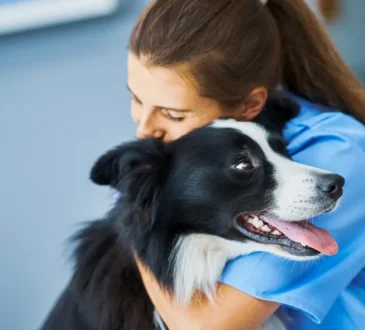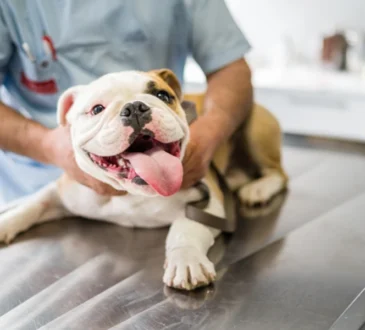

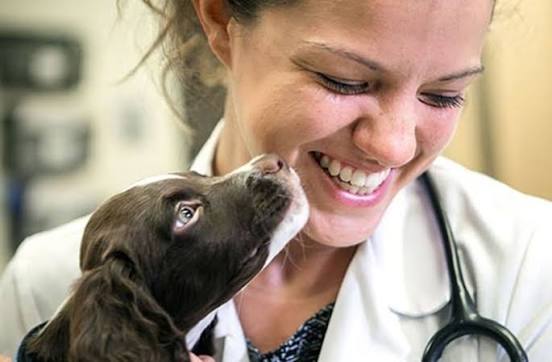
You leave the clinic with a pet carrier in one hand, a bag of supplies in the other, and a mind full of instructions you are trying not to forget from your East San Jose veterinarian. Give this pill twice a day. Watch the incision. Limit activity. Call if appetite drops. It is a lot, especially when your pet is hurting and you are worried about getting something wrong.
That is where good home care education matters. A general veterinarian does more than diagnose and treat. They teach you how to care for your pet between visits, because most recovery, prevention, and daily health support happen at home. How general veterinarians educate pet owners on home care comes down to clear instructions, hands-on guidance, written follow-up, and helping you know which signs are normal and which mean your pet needs help fast.
General veterinarians turn medical advice into daily home care routines
Most pet owners do not need a lecture. You need usable steps that fit real life. A strong general veterinarian knows that. They explain the treatment in plain language, then connect it to the moments that actually happen in your day. That might mean showing you how to hide medicine in food, how to clean ears without causing pain, or how to keep a young dog calm after a procedure when rest feels almost impossible.
This is the heart of pet owner education for home care. The goal is not to hand you a sheet and send you out the door. The goal is to make sure you understand what to do, why it matters, and what can go wrong if instructions are missed. When that teaching is rushed, problems build quickly. A bandage gets wet. A cat stops eating after medication. A wound looks slightly red, and you are left wondering if that is expected or dangerous.
General practice veterinarians are trained to handle this broad, everyday care. Programs that prepare vets for community practice focus on clinical skill and communication because both matter in a busy family setting. The Ohio State University outlines that preparation in its work on veterinary general practice education, where the demands of real world care are front and center.
Clear home care instructions reduce stress, mistakes, and repeat problems
Home care falls apart when instructions are vague. “Monitor closely” sounds simple until you are staring at your dog at 11 p.m. trying to decide whether heavy panting is pain, stress, or nothing at all. “Feed a bland diet” can mean five different things to five different people. Good veterinarians narrow that gap. They tell you how much, how often, what to watch for, and when to call.
That teaching often includes demonstration. If your pet needs insulin, you may be shown exactly how to measure it and where to inject. If your dog has arthritis, your vet may explain how to use ramps, rugs, and short leash walks to prevent slips at home. If your cat has dental disease, you may be taught how to start brushing slowly instead of forcing the issue and creating a battle twice a day.
Education also protects the people in the home. Pets can carry germs that affect humans, especially children, older adults, and anyone with a weaker immune system. Reliable public health guidance from the CDC healthy pets resource helps reinforce what your veterinarian may already be telling you about handwashing, parasite prevention, and safe handling after illness.
Veterinary client education works best when it is specific and repeatable
Owners rarely absorb everything in one visit. Stress blocks memory. Painful pets are distracting. Kids are asking questions. Phones are buzzing. That is why effective veterinary client education repeats the key points in more than one way. Verbal instructions help in the room. Written summaries help once you get home. Follow-up calls or messages catch problems before they turn into emergencies.
Continuing education also shapes how well clinics teach. Veterinary teams keep updating their skills in medicine and communication, which improves the support you receive. Colorado State University’s veterinary continuing education programs reflect how much ongoing learning matters in everyday practice.
A general veterinarian also has to judge your pet’s home environment honestly. A young, active Labrador recovering from surgery needs a different plan than a senior cat with kidney disease. A home with three pets needs different feeding instructions than a one pet household. Advice only works when it fits the animal and the people caring for it.
At-home pet care succeeds when expectations are realistic
Some owners think home care means doing everything alone. Others assume the clinic will fix the problem without much effort at home. The truth sits in the middle. Your veterinarian builds the plan, and you carry it through where it counts most.
| Home Care Task | Common Owner Challenge | How a General Veterinarian Helps |
|---|---|---|
| Giving medication | Missed doses, wrong timing, pet refuses pills | Demonstrates technique, adjusts form if needed, gives a dosing schedule |
| Wound or incision monitoring | Not knowing what normal healing looks like | Shows photos or describes warning signs such as swelling, discharge, odor, or opening |
| Diet changes | Overfeeding, mixing foods too fast, poor appetite | Provides exact portions, transition timing, and red flags for dehydration or vomiting |
| Activity restriction | Pet will not rest, family members are inconsistent | Sets a realistic movement plan with crate rest, leash walks, and home setup tips |
| Preventive care | Forgetting parasite control, vaccines, dental care | Creates a schedule and explains the health risks of skipping routine care |
Pet owners can strengthen home care with three immediate steps
Ask for the plan in plain language. Before leaving, repeat the instructions back in your own words. Confirm medication timing, food directions, activity limits, and warning signs. If something feels unclear in the exam room, it will feel worse once you are home.
Create one home care station. Keep medications, feeding notes, syringes, bandage supplies, and the clinic’s contact details in one place. This cuts down on missed doses and last minute scrambling when your pet needs care quickly.
Track changes daily. Write down appetite, water intake, bathroom habits, energy level, and symptoms. Small shifts are easy to forget, but they help a general veterinarian decide whether your pet is healing, reacting badly, or needs a change in treatment.
Good home care education gives pet owners confidence, not confusion
You do not need to be a medical expert to care for your pet well at home. You need instructions that make sense, support that continues after the visit, and a general veterinarian who respects how much responsibility lands on you once the clinic door closes.
When home care education is done right, it lowers stress, prevents avoidable setbacks, and gives your pet a safer path to recovery and long term health. If your pet needs treatment, preventive care, or help managing a condition at home, reach out to a trusted general veterinarian and ask for clear, step by step guidance you can actually use.