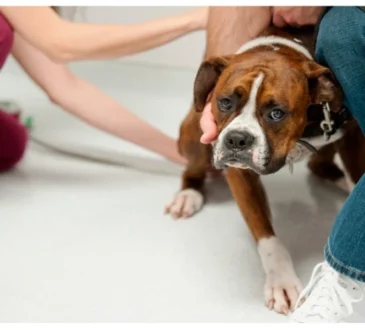
Arthritis Medication for Dogs: Why Treatment Plans May Need to Change Over Time


Key Insights For Managing Canine Arthritis
- Arthritis is a progressive condition, meaning a treatment plan that worked a year ago may no longer be sufficient as your dog ages.
- Combining medical management with veterinary rehabilitation creates a more comprehensive and effective strategy for pain control.
- Regular assessments allow your veterinarian to tweak dosages and therapies before your dog experiences a decline in quality of life.
- Observing subtle changes in behaviour at home provides vital information that helps your vet make accurate adjustments to the treatment protocol.
Navigating Changes In Your Dog’s Care
Discovering that your dog has arthritis can feel overwhelming, but obtaining a diagnosis is the first step toward managing their discomfort. Initially, the focus often lies on finding immediate relief through medication. However, arthritis is inherently progressive. Over time, the joints undergo changes that require a flexible approach to care. What brings your dog relief today might lose its effectiveness as their condition evolves, or as their age influences how their body responds to treatment.
Understanding that arthritis management is dynamic allows you to stay one step ahead of your dog’s pain. By viewing care as a living, breathing plan rather than a permanent prescription, you ensure that your pet maintains their mobility and happiness for as long as possible. Staying attentive and ready to adapt remains the most effective way to care for your canine companion.
Why Does My Dog’s Arthritis Treatment Need To Change?
Arthritis is a degenerative joint disease. Because it involves the gradual breakdown of cartilage and changes to the joint structure, the needs of the joint will shift as damage accumulates. Inflammation levels can fluctuate, and muscles that support the joints may weaken or tighten as a compensatory response to pain.
Furthermore, dogs often mask pain until it becomes severe. By the time they show obvious limping, the underlying condition has often progressed significantly. Medications that successfully managed mild stiffness may fail to address the deeper, chronic pain associated with advanced cartilage loss. A treatment plan must account for these biological shifts. Adjusting protocols is not a sign of failure but a sign of smart, reactive care. Your vet monitors these shifts to ensure your dog remains comfortable rather than simply “getting by.”
How Does Veterinary Rehabilitation Complement Medication?
While medication targets the chemical pathways of pain and inflammation, it does not replace the need for physical conditioning. Veterinary rehabilitation provides the mechanical support necessary to keep joints moving smoothly and muscles strong. By incorporating modalities like underwater treadmill therapy, laser therapy, and acupuncture, owners can often manage their pet’s discomfort more effectively.
These services help to improve circulation, reduce muscle spasms, and maintain range of motion. When a dog is physically stronger, the load on their arthritic joints decreases. This synergy means that the physical therapy helps the medication do its job better. For many dogs, this combination allows for more controlled pain management, potentially reducing the reliance on high-dose pharmaceuticals while improving their functional abilities.
What Role Does Arthritis Medication For Dogs Play In Chronic Management?
Arthritis medication for dogs serves as the foundation for controlling day-to-day inflammation. Common options range from non-steroidal anti-inflammatory drugs (NSAIDs) to newer therapies that target nerve-related pain pathways. However, these medications interact with your dog’s physiology differently as they age.
A medication that is well-tolerated at age seven may require monitoring for kidney or liver function by age twelve. Additionally, pain management is rarely a one-size-fits-all situation. Your vet might find that rotating medications, combining different types of pain relief, or incorporating specific joint supplements like glucosamine and chondroitin yields better outcomes. The goal of using arthritis medication for dogs is to provide a baseline of comfort that allows the dog to remain active. Because chronic pain management requires long-term use, keeping your vet informed about side effects or changes in appetite is vital.
When Should I Consult A Specialist For A Treatment Review?
You know your dog better than anyone else. Small changes in their routine often signal that it is time to revisit their current plan. Do not wait for a complete loss of mobility before you seek professional input.
Consult your vet for a treatment review if you notice any of the following:
- Your dog takes significantly longer to stand up after sleeping.
- They hesitate or refuse to climb previously manageable stairs.
- You notice a shift in their gait, such as a shortened stride or consistent limping.
- They show reduced interest in playtime or short daily walks.
- You observe behavioural changes, such as irritability or withdrawal, which often indicate hidden pain.
Catching these signs early enables your veterinary team to make small, corrective adjustments that prevent larger mobility crises down the line.
Ensuring Lasting Comfort For Your Pet
Managing arthritis is a long-term commitment that requires patience, observation, and a willingness to adapt. By keeping an open line of communication with your veterinary team, you can refine your dog’s care to match their changing needs, ensuring they stay as active and comfortable as possible. Consistent monitoring, paired with professional physical support, provides the best quality of life for your furry family member.
Reach out to us at Bluewater Vet Acupuncture & Rehabilitation to discuss how we can tailor a treatment plan to support your dog’s long-term mobility and comfort.