
You know the feeling when your pet is due for a visit and your mind starts racing before you even grab the leash or carrier. Will your dog shake the whole way there. Will your cat hide for the rest of the day after the appointment. Will the bill be more than you expected. Pet owners do not recommend a clinic because it has a nice lobby or a clever slogan. They recommend a trusted pet clinic in Colorado because the place earns trust when their pet is scared, sick, aging, or simply overdue for a checkup.
That is the heart of it. The clinics people talk about, return to, and suggest to neighbors usually do five things well. They reduce stress, communicate clearly, build real relationships, focus on prevention, and stay steady when something goes wrong. Those reasons matter more than any ad, because they come from lived experience.
Stress-free veterinary visits build trust fast
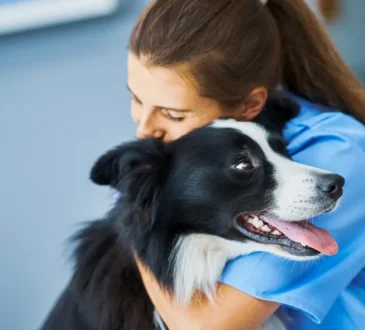
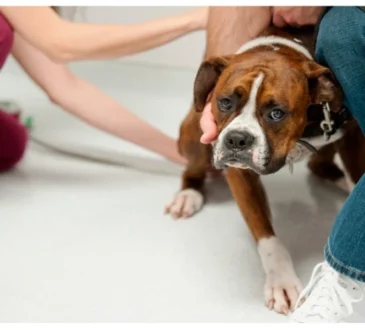
A pet can sense tension long before the exam starts. If your dog plants its feet in the parking lot or your cat cries the entire ride, you are not overreacting by worrying about the experience. A clinic that handles fear with patience stands out right away. Staff who move calmly, explain what they are doing, and give pets time to settle change the tone of the whole visit.
That is one reason owners share clinics with others. They remember the first appointment that did not feel like a battle. Research-backed tips for making veterinary visits less stressful for dogs show how much handling, preparation, and environment affect the experience. The same is true for cats and other pets. Virginia Tech also offers practical guidance for stress-free veterinary trips, and owners notice when a clinic follows that kind of approach instead of rushing through appointments.
When people describe the top reasons pet owners refer a vet clinic, this one comes up often because it affects every visit, not just emergencies.
Clear communication makes pet owners feel respected
No one likes leaving an appointment confused. If you are not sure what the diagnosis means, when to give medicine, or whether a symptom can wait until morning, stress follows you home. Clinics earn referrals when veterinarians and staff explain things in plain language and leave room for real questions.
This matters even more when money is tight or the treatment plan has layers. A good clinic does not make you feel careless for asking about cost, side effects, or alternatives. It explains what is urgent, what can be monitored, and what follow-up should look like. That kind of honesty lowers anxiety because you know where you stand.
Owners remember the clinic that called with lab results when promised, wrote down instructions clearly, and treated them like part of the care team. That is how a routine appointment turns into long-term loyalty.
Strong preventive care gives veterinary clinics lasting value
Many referrals start with a simple sentence: they caught something early. Wellness care often feels easy to postpone when your pet seems fine, especially when life is busy and the budget is stretched. Then a minor issue becomes a bigger one, and the regret hits hard.
Clinics that emphasize prevention give owners a sense of control. Annual exams help track weight changes, dental health, mobility, skin issues, and subtle shifts in behavior before they become obvious problems. The University of Georgia outlines the value of annual wellness exams, and that preventive focus is a major reason people recommend a practice to family and friends.
Basic pet health guidance matters here too. The CDC offers practical advice on keeping dogs healthy, and strong clinics reinforce those habits during visits. That is one of the quieter but powerful reasons people recommend a veterinary clinic, because it saves trouble before trouble starts.
Reliable care during hard moments creates lasting loyalty
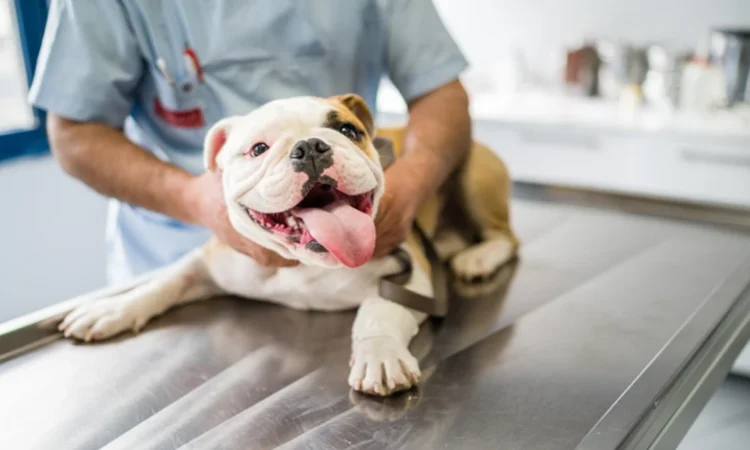
Any clinic can look good during a simple vaccine visit. The real test comes when your pet stops eating, gets injured, or starts acting unlike itself. In those moments, owners remember how quickly the clinic responded, whether the staff stayed calm, and whether someone took the concern seriously the first time.
A trusted veterinary team does not brush off what you are seeing at home. It listens when you say, this is not normal for my pet. It helps you weigh next steps without pressure or confusion. Even when the outcome is difficult, people recommend clinics that are steady, kind, and honest. They felt supported instead of dismissed.
That is why good word of mouth often follows hard cases, not easy ones. People tell others where they felt safe bringing a pet when the stakes were real.
Consistent service turns a vet office into a trusted veterinary clinic
Trust is rarely built in one dramatic moment. It grows from consistency. The front desk remembers your pet’s name. The technician notices that your dog gets nervous around the scale. The veterinarian reads the chart before walking in. Follow-up calls happen. Medication refills do not become a week-long chase.
Those details sound small until you have dealt with the opposite. Long waits with no updates, rushed exams, mixed messages, and poor follow-through make owners feel like they are starting from zero every time. A clinic that is dependable from visit to visit becomes easy to recommend because people know what others are likely to experience.
| What Pet Owners Notice | Clinic That Gets Recommended | Clinic That Gets Avoided |
|---|---|---|
| Appointment experience | Calm handling, clear timing, less stress for pets | Rushed intake, long waits, no reassurance |
| Communication | Plain answers, written instructions, follow-up calls | Vague explanations, missed updates, confusion at home |
| Preventive care | Wellness planning, early detection, tailored advice | Only treats problems after they worsen |
| Costs and options | Transparent estimates, priorities explained | Surprise charges, little context for decisions |
| Urgent concerns | Responsive, steady, takes owner concerns seriously | Dismissive, delayed, hard to reach |
Small actions help you choose the right veterinary clinic
Watch how the staff handles fear. Pay attention during your first call and first visit. Ask how they help nervous pets. A clinic that has real answers about handling, scheduling, and comfort is usually thinking beyond the exam itself.
Ask for clarity, not perfection. You do not need every answer at once. You do need a team that explains priorities clearly. Ask what needs attention now, what can wait, and what signs should trigger a call back.
Look at the follow-through. Good care continues after you leave. Notice whether test results arrive on time, whether instructions are easy to follow, and whether the clinic makes it simple to stay on top of preventive visits.
When pet owners recommend a clinic, they are usually saying something simple underneath it all. My pet was treated with care, and I was treated with respect. That combination is hard to fake and easy to recognize. If you are weighing your options for a veterinary clinic, trust the places that make both you and your pet feel more at ease, more informed, and better supported after each visit.