
You notice the limp that does not quite go away, the hesitation before the stairs, or the way your pet lies down more carefully than before. That change can sit in the back of your mind all day. You may already have a diagnosis, or you may just know something feels off. Either way, the first appointment for pet physical therapy in Commack, NY often comes with the same worry. Will this help, and what exactly is going to happen?
A first rehabilitation visit is usually calm, hands-on, and more detailed than many owners expect. The therapist or veterinarian looks at how your pet moves, where pain or weakness may be coming from, and what daily life looks like at home. By the end, you should have a clearer picture of your pet’s limits, goals, and a plan for treatment. That plan may include exercises, manual therapy, balance work, pain relief methods, and home changes that make recovery easier.
A pet rehabilitation evaluation focuses on movement, pain, and function
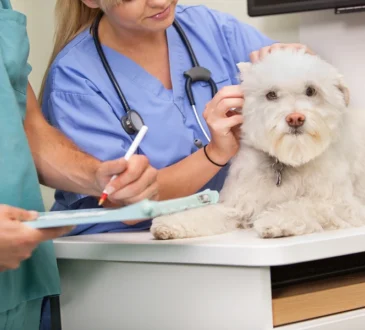
The first thing most clinicians want is the full story. They will ask when the problem started, whether it came on suddenly or slowly, what diagnosis your pet has received, what medications they take, and what daily activity looks like. If your dog slips on hardwood floors, struggles after walks, or tires out faster than usual, those details matter. If your cat stopped jumping onto the couch, that matters too.
This part can feel simple, but it shapes the whole visit. A limp after surgery is different from weakness caused by arthritis, and both are different from a neurologic issue. A rehab plan only works when it matches the reason your pet is having trouble.
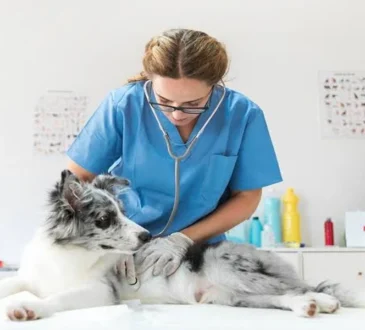
After the history, the clinician usually watches your pet stand, sit, turn, and walk. Some pets are also observed trotting if they can do that safely. This gait assessment often shows subtle problems owners cannot always spot in the moment, like uneven weight bearing, shortened stride, guarding, or poor balance. Cornell’s guidance on what to expect when taking your limping dog to the veterinarian helps explain why movement observations are such a key part of sorting out lameness.
The hands-on exam comes next. Joints are checked for range of motion, swelling, heat, stiffness, and pain. Muscles are felt for tightness, loss of mass, and asymmetry. The spine may be assessed. Neurologic responses may also be tested, especially if your pet has weakness, dragging paws, or trouble coordinating movement. In many cases, the clinician also checks how easily your pet shifts weight, how long they can stand squarely, and whether they can safely do small functional tasks.
The first pet physical therapy appointment often reveals problems hiding in daily routines
Many owners come in focused on one leg or one surgery site, then learn the bigger issue is compensation. A dog protecting an injured knee may overload the opposite hind limb and strain the shoulders. A senior pet with arthritis may not cry or limp much at all, but they stop using their body normally and slowly lose strength. That loss of strength leads to less movement, and less movement leads to more stiffness. It becomes a cycle.
This is why a pet rehabilitation evaluation looks beyond the obvious problem. The goal is not just to treat pain in one spot. The goal is to improve function. Can your pet get up more easily, walk with less strain, recover after surgery without setbacks, and move through the house with more confidence?
According to the University of Illinois, animal rehabilitation plans are often built around the pet’s diagnosis, comfort level, mobility, and home environment. That means your therapist may ask about flooring, stairs, your yard, the height of your car, and whether your pet sleeps in a crate or on your bed. Those are not side details. They affect recovery every day.
The treatment plan is usually tailored after the exam, not before
Owners sometimes expect a standard set of exercises, but good animal physical therapy assessment does not work that way. Two dogs with the same surgery can need different plans. One may need pain control and gentle range of motion first. Another may be ready for strength work, balance exercises, and treadmill sessions.
Treatment recommendations may include manual therapy, stretching, therapeutic exercises, underwater treadmill work, laser therapy, electrical stimulation, or guided walking changes. Just as important, you may leave with a home program. That often includes short exercises, activity limits, and practical adjustments like rugs, harness support, or changes to walk length.
| Part of the Evaluation | What the Clinician Looks For | Why It Matters |
|---|---|---|
| Medical history | Diagnosis, timeline, meds, surgery, home activity | Connects symptoms to the right rehab plan |
| Gait observation | Limping, weight shifting, stride changes, balance issues | Shows how pain or weakness affects movement |
| Joint and muscle exam | Stiffness, swelling, pain, muscle loss, tightness | Finds physical limits that need treatment |
| Functional testing | Sit to stand, turning, stepping, posture, stability | Measures real life ability, not just diagnosis |
| Home care planning | Flooring, stairs, exercise routine, owner support | Makes progress more realistic between visits |
Simple preparation makes the first physical rehab visit easier
Bring records and videos. If you have X rays, surgical notes, medication lists, or referral paperwork, bring them. A short video of your pet walking at home can help too, especially if they act differently in the clinic.
Write down daily changes. Note when your pet seems stiffest, how long walks last before slowing down, whether they slip, and what movements they avoid. Those patterns help shape a stronger pet physical therapy plan.
Expect homework. The first visit often starts a long process, not a one-time fix. Home exercises are usually short and specific. Done consistently, they can make the clinic work more effective and help your pet improve faster and more safely.
A first evaluation gives you a clearer path forward
You do not need to walk into that first visit knowing the right questions or the right treatment. You just need to show up with what you have seen at home and be honest about what your pet can handle. A good rehabilitation evaluation turns scattered worries into a plan you can follow, one step at a time.
If your pet is moving differently, slowing down, or recovering from injury or surgery, scheduling a first rehabilitation assessment can give you real answers and a practical next step.