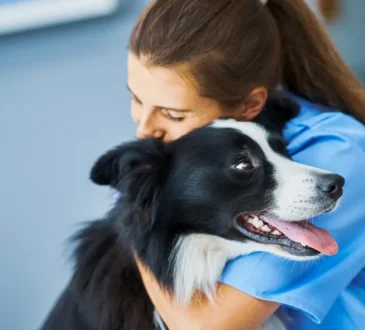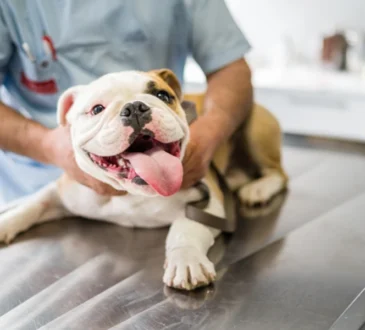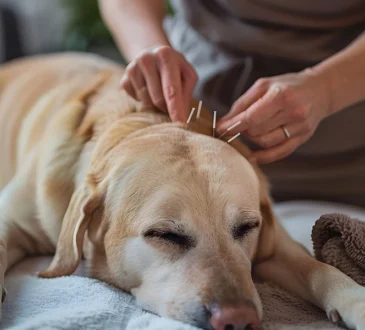


You might be feeling a mix of hope and worry every time you bring your pet in for care. On one hand, you want answers, relief, and a clear plan. On the other, you may be watching your dog shake in the exam room, your cat hide in the carrier, and your child ask if everything will be okay. That is a lot to carry in one visit. When families talk about a good vet, they are rarely talking only about medical skill. They are talking about how that person made them feel, how clearly they explained things, and whether they seemed to see the whole family, not just the chart. A compassionate London West veterinarian understands that caring for a pet also means caring for the people who love them.
That is why How General Veterinarians Build Trust With Families matters so much. Trust grows when care feels steady, honest, and kind. It grows when a family veterinarian trust building approach includes listening, body language, plain language, and follow-through. If you have ever left an appointment feeling calmer simply because someone took the time to explain what was happening, you have already seen how powerful that can be.
Why does trust in general veterinary care matter so much at home?
Most families do not come into a veterinary visit as blank slates. They bring memories, fears, budgets, and questions. Maybe a past pet got sick fast, and you still carry that guilt. Maybe you are trying to do the right thing without stretching your finances too far. Because of that tension, even a routine checkup can feel heavy.
When trust is missing, small problems can grow. A family may delay care because they are unsure what is urgent. They may nod during the appointment but leave confused about medication, follow-up, or warning signs. Pets can suffer when instructions are not clear, and families can feel embarrassed asking questions they think they should already know.
So, where does that leave you? It leaves you needing more than treatment alone. You need a trusted general veterinarian who can explain choices, respect your concerns, and help you feel confident once you get back home. That kind of trust does not happen by accident. It is built in moments, often small ones, that tell a family, “You are safe asking questions here.”
How do veterinarians earn a family’s confidence during stressful visits?
Trust often begins before a single medical decision is made. It starts with tone, eye contact, posture, and whether the veterinarian seems rushed or present. Research on nonverbal communication between veterinarians and animal owners points to something families already sense. Body language shapes how people receive information. A calm voice, open posture, and steady attention can lower stress and make hard conversations easier to hear.
That matters even more when the news is not simple. If your pet needs tests, surgery, or long-term medication, you are not just weighing medicine. You are weighing cost, time, fear, and what your pet can handle. A good general veterinarian helps by naming those concerns instead of brushing past them. They may say, “Here is what we know, here is what we do not know yet, and here are the next best options.” That kind of honesty builds trust because it replaces guesswork with a plan.
Communication also has to fit the family in front of them. A first-time puppy owner needs something different from someone managing an older pet with chronic disease. A parent talking with children in the room may need simple language and reassurance. An older adult caring for a beloved companion may need written instructions and time to process. Strong veterinary relationship building means reading the room and meeting people where they are.
There is also a public health side to trust. Clear communication helps families handle medications, hygiene, and animal contact more safely. Guidance from the CDC on healthy pets and healthy people supports the value of good communication around care, prevention, and shared environments. You can see that in this CDC resource on pet-related health communication and safety. When families understand what to do, they are more likely to follow through.
What does trust building look like in real veterinary visits?
Sometimes the difference is subtle, but it is real. One veterinarian may walk in, speak quickly, and hand over instructions. Another may pause, ask what you have noticed at home, repeat the main concern in plain words, and check that the plan works for your schedule and budget. Both may be medically capable, but only one makes it easier for your family to act with confidence.
| Trust Building Behavior | How Families Often Feel | Likely Result |
|---|---|---|
| Explains diagnosis in plain language | Less confused, more included | Better follow through at home |
| Uses calm, open body language | Less defensive, less rushed | More honest questions from the family |
| Discusses costs early and clearly | Less ashamed, more prepared | More realistic care decisions |
| Invites questions before ending the visit | More respected and heard | Fewer misunderstandings after the visit |
| Provides written next steps | More secure once home | Improved medication and follow up accuracy |
This is where the role of a general veterinarian becomes so important. General care is often the first place families turn, not only for vaccines and routine exams, but for guidance through uncertainty. That means trust is not a bonus. It is part of the care itself.
What can you do right now to build a better partnership with your veterinarian?
1. Bring your real questions, not just the polite ones.
If you are worried about cost, side effects, or whether your pet is suffering, say it plainly. Many families hold back because they do not want to seem difficult. But honesty helps your veterinarian tailor care to your situation. A good visit gets better when everyone is working with the full picture.
2. Ask for the plan in simple steps.
When emotions are high, it is easy to forget details. Ask, “What do I need to do today, what should I watch for tonight, and when should I call back?” Those three questions can turn a confusing visit into a manageable one.
3. Pay attention to how the clinic communicates, not just what they recommend.
Do they listen without interrupting? Do they explain options clearly? Do they make space for your family’s concerns? Technical skill matters, of course, but communication is what helps that skill reach your pet in a useful way. If a clinic consistently makes you feel dismissed or rushed, it may be time to seek a better fit.
How can families move forward with more confidence?
Trust does not mean every visit will be easy, and it does not mean every answer will come at once. It means you feel supported while you sort through hard choices. It means your veterinarian treats your questions as part of good care, not a delay to it. And it means your family can leave with more clarity than fear.
When you are looking for a general veterinarian, pay attention to the human side of the visit. The best care often sounds like clear words, looks like calm presence, and feels like partnership. That is how general veterinarians build trust with families, one honest conversation at a time.