
You might be watching your pet a little more closely than usual. Maybe they are sleeping more, eating less, or just “not themselves,” and you cannot quite explain why. A part of you wonders if you are overreacting. Another part worries that you might miss something serious if you wait. Visiting an animal hospital in Waverley could give you peace of mind and ensure your pet receives the care they need.end
This is the space many pet owners live in. Caught between “I do not want to panic” and “I never want to regret doing nothing.” It can feel lonely and heavy, especially when your pet cannot tell you what hurts.
The truth is, modern animal hospitals are built for exactly this in-between place. They are not only for obvious emergencies. A good animal hospital focuses on early disease detection in pets, which means finding problems when they are still small, manageable, and often much less expensive to treat.
So the short version is this. Regular visits to an animal hospital, paired with simple habits at home, give you the best chance to catch disease early, protect your pet’s quality of life, and reduce long-term costs and stress for you. The rest of this page unpacks how that works and what you can do right now.
Why does your pet need more than “they seem fine” to stay healthy?
It often starts quietly. A dog that drinks a little more water. A cat that jumps a bit less onto high places. A rabbit that seems slightly picky with food. None of these feel like an emergency, so you wait and watch.
Because you see your pet every day, slow changes can blend into the background. You adjust without noticing. They sleep more, so you schedule fewer walks. They play less, so you buy fewer toys. Over time, what was once a clear change now feels “normal.”
The problem is that many diseases in animals begin silently. Kidney disease, diabetes, arthritis, heart disease, dental infections, even some cancers, can all exist for months or years before obvious warning signs appear. By the time you see clear symptoms, the disease may already be advanced and harder to treat.
This is where an animal hospital becomes your ally. Through regular exams, lab work, and screening tests, veterinarians can spot small shifts that would be invisible at home. That is what people mean when they talk about an early detection animal hospital approach.
How do animal hospitals actually catch disease early?
You might wonder what happens behind the scenes during those “routine” visits that justify the time and money. There are three main layers.
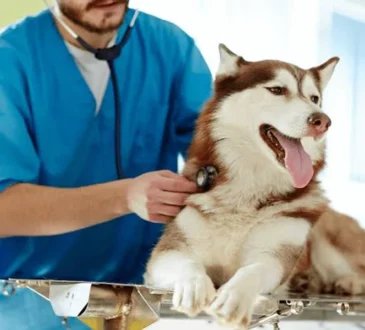
First, there is the physical exam. A skilled veterinarian uses their hands, eyes, and ears to check eyes, ears, teeth, heart, lungs, abdomen, joints, skin, and more. They are not just looking for obvious problems. They are comparing what they see today with what they know is normal for your pet’s age, breed, and history.
Second, there are vaccines and parasite prevention. These are not just boxes to tick. Following evidence-based vaccination guidelines, like the AVMA principles for vaccinating dogs and cats, prevents diseases that can be severe, costly, or even fatal. Preventing disease is the earliest form of detection. It stops some threats before they ever reach your pet.
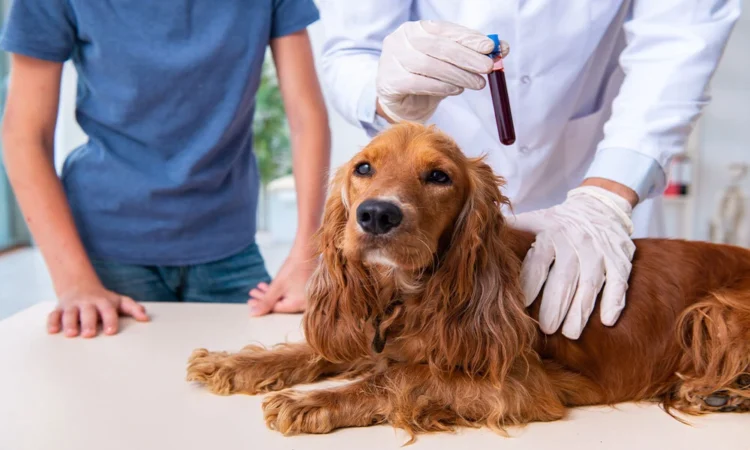
Third, there are screening tests. Bloodwork, urine tests, fecal exams, and sometimes imaging like X-rays or ultrasound can reveal early changes in organs, blood sugar, thyroid hormones, or internal structures. For example, a simple blood test might show early kidney stress in a cat that still eats and plays normally. Catching it early allows diet changes and treatment that can slow progression dramatically.
Public health experts agree that healthy pets protect humans too. The CDC explains this link clearly in their guidance on keeping pets and people healthy together. When your animal hospital protects your pet from infectious diseases and parasites, they are also protecting your family.
What happens if you wait versus using an animal hospital proactively?
So, where does that leave you when you are deciding whether to schedule that “just in case” visit or to wait and see?
On one side is the emotional and financial cost of early care. Checkups, tests, and vaccines do add up. You may need to adjust your budget or your schedule. It can feel frustrating to pay for results that say “everything looks normal.”
On the other side is the cost of late detection. When disease is caught only after your pet is clearly sick, treatment is often more intense, more expensive, and less successful. You may face emergency visits, hospital stays, or lifelong medication. You also carry the emotional burden of watching your pet suffer through something that might have been caught earlier.
Guidelines such as the Ohio State Healthy Pet Guidelines highlight how age and risk factors shape exam and testing schedules. Young, healthy animals might need basic screening. Senior pets or those with risk factors may need deeper checks. When your animal hospital tailors a plan like this, it turns vague worry into a clear roadmap.
The comparison below shows how early, routine care at an animal hospital stacks up against waiting until something seems wrong.
| Approach | What it looks like in real life | Typical costs over time | Impact on your pet | Impact on you |
|---|---|---|---|---|
| Proactive animal hospital care | Yearly or twice yearly exams, vaccines, parasite control, basic bloodwork as recommended | Smaller, predictable costs each year. Some tests may feel optional in the moment | Higher chance of catching disease early. Better comfort and longer healthy years | More peace of mind. Fewer urgent crises. Easier to plan and budget |
| “Wait and see” until symptoms appear | No visit unless there is vomiting, limping, not eating, or obvious pain | Lower costs in quiet years, but a higher risk of sudden large bills during emergencies | Higher chance disease is advanced before treatment. Fewer options, tougher recoveries | More worry and guilt. More stress in urgent situations with less time to decide |
Three practical steps you can take today with your animal hospital
You might be wondering what you can do right now, without turning your life upside down. You do not need to become a vet. You only need a simple plan and a trusted animal hospital to partner with you.
1. Schedule consistent wellness exams based on age
If your pet has not had a checkup in the past 12 months, start there. For pets under 7 and generally healthy, once a year is often enough. For seniors or pets with known conditions, twice a year is usually safer. Ask your hospital to explain which screening tests they recommend and why. When you understand the “why,” it is easier to prioritize what matters most for early disease detection in animals.
2. Create a simple “home baseline” checklist
Make a short list of what is normal for your pet. Eating habits, water intake, energy, weight, bathroom habits, and behavior. Keep it quick and real. For example, “usually finishes meals in 5 minutes” or “jumps easily onto the couch.” When something changes and stays changed for more than a few days, call your animal hospital. That way you are not guessing. You are comparing today with a clear baseline.
3. Talk openly about budget and priorities
Many people worry that if they walk into an animal hospital, they will be pressured into every possible test. You are allowed to set limits. At the beginning of each visit, tell the staff what you can realistically afford and ask them to rank tests and treatments by importance for early detection. Most veterinary teams are glad to help you choose the highest impact steps first, so you can do the most good within your means.
Finding calm in the uncertainty with your animal hospital
Living with a pet means living with some uncertainty. You will never have complete control over their health, and that can feel scary. Yet you are far from powerless.
By using your local animal hospital as a partner in early veterinary disease screening, you turn vague worry into watchful care. You replace “I hope they are okay” with “We have a plan, and we are watching closely.” That shift alone can bring real relief.
You do not need to wait for an emergency. If your pet is overdue for a checkup, or if your gut says “something is off,” reach out to an animal hospital and ask for a wellness visit focused on early detection. Your future self, and your pet, will likely be grateful you did.