
You might not notice a dental problem in your pet right away. Many dogs and cats keep eating, playing, and acting normal even when their mouths hurt. Then one day you catch bad breath, bleeding gums, trouble chewing, or a change in mood, and suddenly what felt small starts to feel much heavier. If that sounds familiar, you are not overreacting. At Loxahatchee Groves Veterinarian, we know dental disease in pets often builds slowly, and by the time it is easy to see, your pet may already be uncomfortable.
That is why 3 Key Benefits Of Preventive Dental Care At Animal Hospitals matter so much. The short version is simple. Preventive dental care helps catch problems early, protects your pet’s whole body health, and can save you from bigger bills and harder decisions later. When you know what to watch for and when to get help, things feel less confusing and a lot more manageable.
Why do small dental issues in pets turn into bigger health problems?
It often starts with plaque. If it is not removed, plaque hardens into tartar, which irritates the gums and creates space for bacteria to grow. Over time, this can lead to periodontal disease, loose teeth, pain, and infection. According to the USDA APHIS guidance on preventive care for periodontal disease in dogs, regular dental care plays a central role in reducing the risk of oral disease.
Because pets are so good at hiding pain, the problem can go further than many owners expect. A dog with a sore mouth may stop chewing toys, eat more slowly, or seem less interested in food. A cat may groom less, paw at the face, or pull away when touched near the head. So, where does that leave you? It means waiting for obvious symptoms can make treatment more involved than it needed to be.
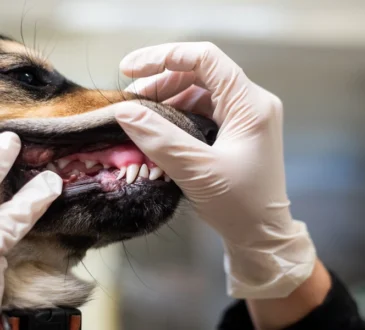
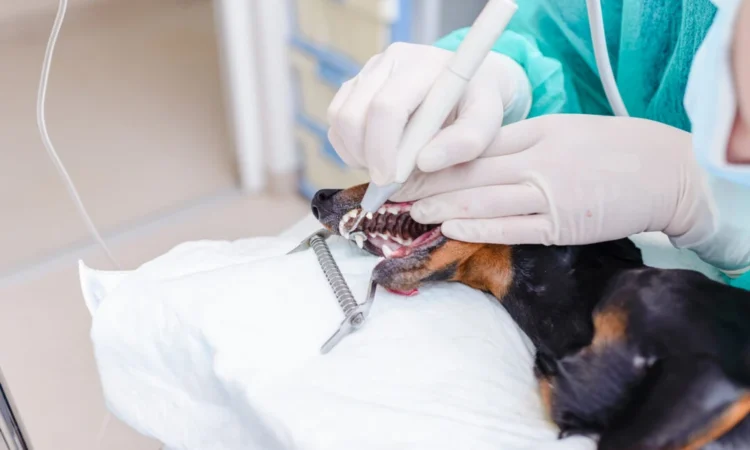
The first major benefit of preventive pet dental care is early detection. During routine exams and dental checks at an animal hospital, a veterinary team can spot gum inflammation, fractured teeth, retained baby teeth, oral masses, and signs of infection before they become severe. That early window matters. A simpler cleaning and treatment plan is easier on your pet, and often easier on your budget too.
How can preventive dental care at an animal hospital support your pet’s whole body health?
It is easy to think of dental care as just a mouth issue, but it rarely stays there. Ongoing inflammation and bacteria in the mouth can affect comfort, appetite, and daily quality of life. In some cases, oral bacteria may also contribute to wider health concerns. That is one reason veterinary dentistry is treated as more than cosmetic care.
The University of Florida’s service for dog and cat dentistry explains that dental disease is one of the most common conditions seen in companion animals. Cornell’s dentistry and oral surgery service also highlights how oral disease can affect both comfort and function. When your pet receives routine oral exams, cleanings when needed, and follow up care, you are doing more than freshening breath. You are protecting eating, grooming, play, and rest, which are all basic parts of well being.
This is the second big benefit of preventive care. It supports overall health and daily comfort. A pet with a healthy mouth is often more willing to eat, chew, and interact normally. That may sound simple, but if you have ever watched a pet struggle in silence, you know how much these small daily moments matter.
Can routine animal hospital dental care actually save money over time?
Yes, and this is where many families feel torn. Preventive care has a cost, and it is normal to pause before scheduling it. But untreated dental disease usually becomes more expensive, not less. A mild buildup caught early may only need a standard cleaning and home care plan. A neglected mouth may need extractions, imaging, medications, lab work, and a longer recovery.
Think of it this way. Preventive care gives you more control. Emergency treatment often takes that control away. If your pet suddenly stops eating or develops facial swelling, you are not comparing options calmly. You are trying to solve pain fast. That stress is hard enough without a larger bill attached to it.
This is the third benefit of animal hospital dental care. It can reduce the chance of advanced treatment, urgent visits, and avoidable suffering. Not every dental problem can be prevented, but many can be caught earlier and treated more simply.
What does preventive care look like compared with waiting for symptoms?
Sometimes it helps to see the difference clearly.
| Approach | What It Usually Includes | Likely Outcome |
|---|---|---|
| Preventive dental care | Routine oral exams, recommended cleanings, home brushing guidance, monitoring of gum health and teeth | Earlier detection, less pain, lower chance of advanced dental disease, more predictable costs |
| Waiting for visible symptoms | Care starts after bad breath, bleeding, loose teeth, swelling, or trouble eating appear | Higher chance of infection, extractions, increased discomfort, and more urgent treatment needs |
For many pet owners, that comparison is the turning point. You do not need to be perfect. You just need a plan that helps you stay ahead of the problem.
What can you do right now to protect your pet’s dental health?
1. Check for small warning signs at home.
Look for bad breath, red gums, tartar buildup, dropping food, chewing on one side, pawing at the mouth, or changes in mood. These signs do not always mean a crisis, but they do mean it is time to pay attention.
2. Schedule regular veterinary exams.
A routine visit gives your veterinary team a chance to evaluate your pet’s mouth before things get worse. If a cleaning or further dental work is needed, you can discuss timing, risks, and next steps before your pet is in obvious pain.
3. Ask for a realistic home care routine.
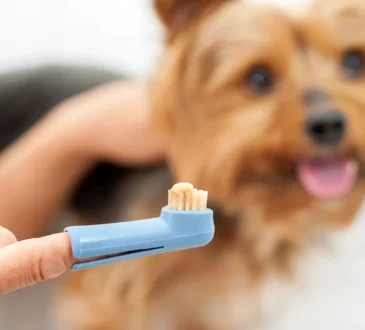
Not every pet will tolerate the same approach. Some do well with tooth brushing. Others may need a gradual training plan, dental diets, rinses, or approved chews. The best routine is the one you can actually keep up with safely and consistently.
When you want to do right by your pet, where should you begin?
Begin with the next small step. If you have been worried about your pet’s breath, eating habits, or comfort, trust that instinct. Preventive dental care is not about doing everything at once. It is about catching issues early, reducing pain, and giving your pet a better day to day life. That is the real value behind these 3 Key Benefits Of Preventive Dental Care At Animal Hospitals, and it is why routine dental attention remains such an important part of pet care.
If your pet has not had a recent oral exam, now is a good time to schedule one with an animal hospital and ask what preventive dental plan makes sense for their age, breed, and health history.