
You might notice it starts small. Your dog seems a little quieter, your cat skips one meal, or a habit changes just enough to make you wonder if you are overthinking it. That is often the hard part of pet care. Animals cannot explain what hurts, and by the time signs look obvious, a problem may have been building for weeks or months. That is why a Richmond Hill veterinarian or small animal hospital puts so much attention on catching illness early. In simple terms, early disease detection can protect your pet’s comfort, improve treatment choices, and often reduce the cost and stress that come with advanced illness.
If you have ever felt torn between waiting to see if things improve and calling the clinic right away, you are not alone. Many pet owners worry about overreacting, yet they also fear missing something serious. Because of that tension, routine exams, lab work, and careful monitoring matter more than many people realize. A small animal hospital is not only there for emergencies. It is there to spot quiet changes before they become painful, urgent, or harder to treat.
Why do small animal hospitals look for problems before symptoms get worse?
Early detection matters because many diseases in dogs and cats begin silently. Kidney disease, dental disease, diabetes, arthritis, heart issues, and some cancers may not show clear signs at first. Your pet may still eat, walk, and rest in ways that seem normal. Yet under the surface, the body may already be working harder than it should.
So, what happens when care starts late? Treatment may become more complex, your pet may need more testing, and recovery can take longer. In some cases, the goal shifts from fixing a problem to managing it. That does not mean hope is lost. It simply means timing changes what is possible.
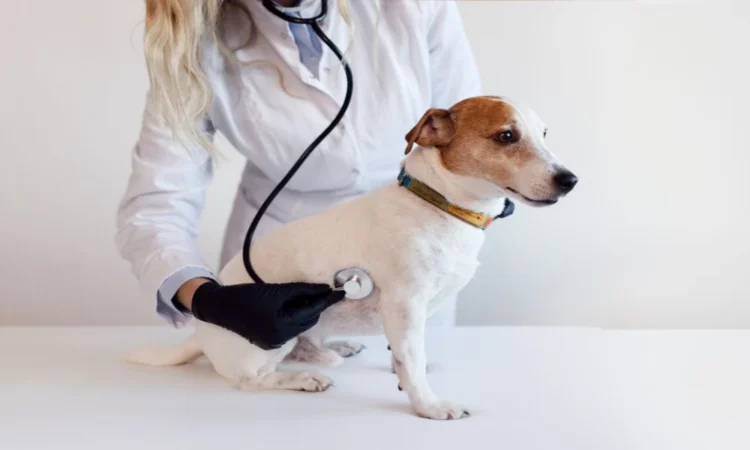
This is one reason many clinics recommend wellness exams even when your pet seems fine. During those visits, the team checks weight trends, heart and lung sounds, joint movement, skin changes, dental health, and other subtle clues. They may also suggest screening tests based on age, breed, and health history. Cornell’s small animal community practice reflects this broader role of veterinary care, where prevention and regular monitoring are part of keeping pets healthy, not just treating illness after it appears.
There is also a public health side to this. Some illnesses and parasites can affect both animals and people, especially in homes with children, older adults, or anyone with a weaker immune system. The CDC offers practical guidance on keeping dogs healthy and safe around your family, which supports the same idea. Catching health concerns early protects more than one member of the household.
What makes early disease detection in pets worth the effort?
The short answer is that earlier detection usually creates better options. If a vet finds dental disease early, your pet may need a cleaning and targeted treatment before severe pain or tooth loss develops. If bloodwork catches kidney changes early, diet and medication may help slow the condition and support quality of life. If weight gain points to a hormonal issue, treatment can begin before that condition strains other organs.
And then there is the financial side, which many families quietly worry about. A routine exam and screening panel can feel like an extra expense when your pet seems healthy. But compare that with hospitalization, emergency imaging, surgery, or long-term treatment for a disease that was not found until it became advanced. In many cases, prevention and early intervention are easier on both your pet and your budget.
This is the heart of early disease detection in pets. It is not about creating fear. It is about reducing surprises. It gives you time to make clear decisions while your pet is still stable, still comfortable, and still more likely to respond well to care.
How does a small animal veterinary hospital compare routine screening with waiting?
Sometimes it helps to see the difference side by side. Waiting is understandable, especially when signs seem mild, but it can carry hidden risks.
| Approach | What It Often Looks Like | Likely Benefits | Possible Risks |
|---|---|---|---|
| Routine wellness visit and screening | Physical exam, weight check, dental review, fecal test, bloodwork, or urine testing based on age and history | Finds hidden issues early, supports prevention, may lower long-term treatment costs | Upfront cost, may feel unnecessary if your pet seems normal |
| Waiting until symptoms are obvious | Monitoring at home until appetite, energy, breathing, bathroom habits, or movement clearly change | Avoids immediate appointment costs if no issue is present | Delayed diagnosis, fewer treatment choices, more discomfort, greater chance of emergency care |
A pet hospital often sees the same pattern. A problem that looked minor at home turns out to be something that would have been much simpler to manage a month earlier. That is not a reason for guilt. It is a reason to pay attention to small changes and act sooner when something feels off.
What can you do right now to support early disease detection?
1. Track the small changes.
Watch appetite, thirst, bathroom habits, weight, energy, breathing, and movement. You do not need a complicated system. A note on your phone is enough. Patterns matter, and those details can help your veterinary team spot a problem faster.
2. Keep routine exams on the calendar.
Healthy-looking pets still benefit from regular checkups. Puppies, kittens, seniors, and pets with chronic conditions may need closer monitoring. This is one of the clearest reasons why small animal hospitals focus on early disease detection. Screening works best before a crisis begins.
3. Ask about age-based testing.
Not every pet needs the same plan. A younger animal may need basic preventive care, while an older pet may benefit from bloodwork, urine testing, blood pressure checks, or imaging. Ask what is appropriate for your pet now, not only when symptoms appear.
Where does that leave you and your pet?
If you have been second-guessing a recent change in your pet, that feeling is worth listening to. Early action does not mean panic. It means giving your pet the best chance at comfort, treatment, and steady health. The reason small animal hospitals focus so much on prevention is simple. They know that quiet problems are often the ones that grow the fastest when no one is looking.
Your next step can be simple. Schedule a wellness visit, bring your questions, and share even the small things you have noticed. That one appointment may give you peace of mind, or it may catch a problem while there is still more room to help. Either way, you are doing what good pet care asks of you. You are paying attention early, when it matters most.