
You might have noticed a change before you knew what it meant. Your rabbit stops finishing hay. Your guinea pig seems interested in food, then backs away. Your ferret has bad breath, drops kibble, or just seems less like itself. That shift can be hard to read, because small animals often hide pain until it has been there for a while. If you feel unsure, or even a little guilty for not spotting it sooner, you are not alone. In some cases, getting help from a provider experienced in veterinary surgery in San Diego, CA may be the next step.
The short version is this. Understanding dental care for small animals starts with knowing that dental disease is common, often subtle, and best handled early. A skilled small animal veterinarian can help you tell the difference between a mild issue and a painful one, guide you on home care, and recommend treatment before eating, weight, and comfort are affected.
Why does dental care for small pets become such a big issue so quickly?
Small pets have small margins for error. When a dog skips one meal, you worry. When a rabbit or guinea pig eats less for even a short time, the concern rises fast, because reduced eating can lead to gut problems, weight loss, and a steady drop in energy. Because of this, what looks like a picky day can actually be the start of a dental problem.
In many species, teeth grow continuously or wear in ways that depend on diet and jaw alignment. If that wear is off, teeth can overgrow, form sharp points, loosen, or become infected. The result may be drooling, tearing from the eyes, swelling, trouble chewing, or a pet that seems quieter than usual. Some signs are easy to miss. A chin that stays wet. Smaller droppings. A preference for soft foods. These are the moments when small pet dental care matters most.
So, where does that leave you if you are still not sure whether the problem is serious? It helps to think in terms of patterns, not one single sign. If your pet is eating less, chewing oddly, losing weight, or showing facial discharge, that is enough reason to schedule an exam. The American Veterinary Medical Association offers a helpful pet dental care brochure that explains why oral health affects the whole body, not just the mouth.
What can a small animal veterinarian look for that you cannot see at home?
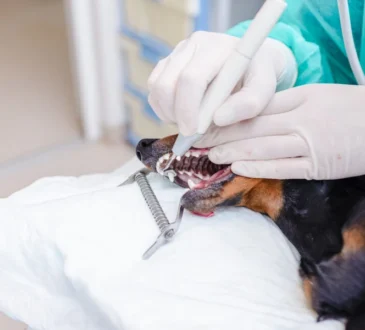
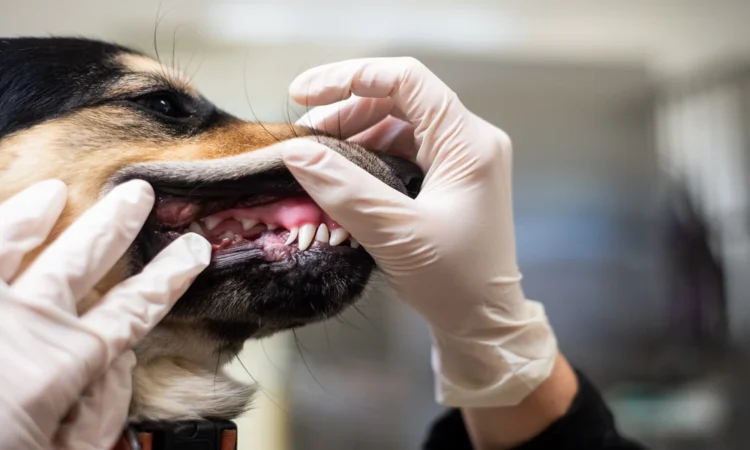
Even caring owners cannot safely inspect every part of a small animal’s mouth. Many dental problems sit far back where sharp molar points, gum injury, root changes, or hidden infection may not be visible. A proper exam may include sedation, imaging, and a close look at tooth shape, bite alignment, and oral tissue.
This is where professional training matters. The University of Illinois has shared insight into advanced veterinary dentistry through its dentistry training coverage, which shows how much detail goes into diagnosing and treating animal dental disease. If you have ever wondered why a simple glance is not enough, this is why. The issue is not only the teeth you can see. It is the pain, wear, and infection you cannot.
And if treatment is needed, options may include trimming overgrown teeth, addressing infection, extracting damaged teeth, and building a long-term plan for diet and follow-up. Specialized support is also available through services like the University of Illinois dentistry for animals program, which shows the range of care that may be needed in more complex cases.
Should you try home dental care first, or is professional pet dentistry the safer path?
That question comes up often, especially when you want to help right away. The truth is that home care has real value, but it works best as prevention and follow-through, not as a substitute for diagnosis. If a tooth is overgrown, fractured, infected, or cutting into the cheek, brushing or changing food will not fix the source of pain.
| Approach | What It Helps With | Limits | Best Time to Use It |
|---|---|---|---|
| Home observation | Spotting early changes in eating, droppings, weight, and behavior | Cannot reveal hidden tooth roots, molar points, or deep infection | Daily and ongoing |
| Diet support | Promotes natural chewing and tooth wear in species like rabbits and guinea pigs | Will not correct existing painful overgrowth or misalignment | Prevention and long term care |
| At-home oral cleaning | May help some species when recommended by a veterinarian | Not safe or practical for every small animal, and may miss the real problem | Only with veterinary guidance |
| Professional exam and treatment | Diagnoses pain, overgrowth, infection, and bite problems accurately | Costs more upfront and may require sedation or imaging | Any time eating, chewing, or facial signs change |
When you weigh cost, it is easy to focus on the visit itself. But untreated dental disease often costs more over time, because pain leads to poor eating, poor eating leads to gut trouble or weight loss, and a smaller problem can become a larger one. In that sense, early care is often the kinder and more practical choice.
What can you do right now if you are worried about your pet’s teeth?
1. Track the small changes. Start today. Write down what your pet eats, how long meals take, whether food is dropped, and any changes in droppings, weight, or mood. These details help a veterinarian spot patterns quickly.
2. Check the basics without forcing an exam. Look for wet fur under the chin, tear staining, swelling, bad breath, or a messy coat from reduced grooming. Do not pry the mouth open or attempt to trim teeth at home. That can cause injury and stress.
3. Schedule a veterinary dental evaluation early. If your pet is eating less, showing pain, or losing weight, do not wait for the signs to become obvious. A prompt visit with a provider who handles dental care for small animals can protect comfort, nutrition, and recovery.
How do you move forward with more confidence?
You do not need to know everything before you act. You just need to trust what you are seeing. If your pet seems different around food, quieter than usual, or less comfortable, that is worth attention. Oral pain in small animals can be easy to miss and hard on the body, but it is also something that responds much better when caught early.
Good care starts with noticing, then asking for help from a trusted small animal veterinarian. That one step can turn confusion into a plan, and a plan often brings relief faster than you expect.