

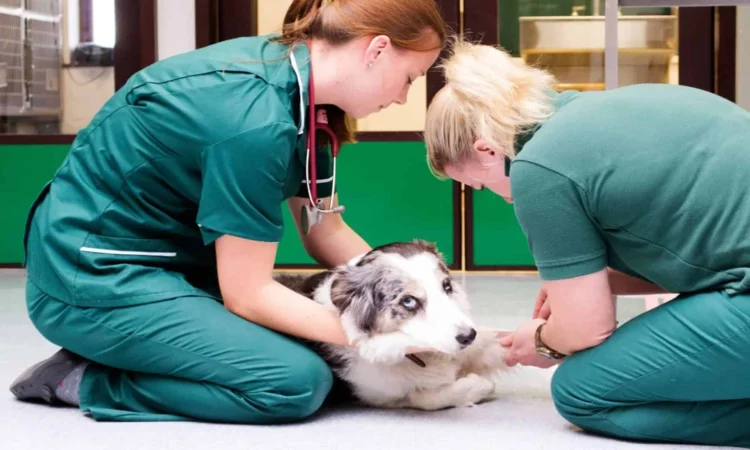

You might not think about emergency pet care until the moment you need it. One minute your pet is fine, and the next, you are dealing with trouble breathing, a broken nail that will not stop bleeding, a sudden collapse, or signs of poisoning. In those moments, time feels strange. Your mind races, your pet looks to you for help, and you are left trying to make the right choice fast. That is where a Madison veterinarian or animal clinics step in. The short version is simple. Animal clinics help stabilize pets, assess urgent symptoms, guide owners through hard decisions, and connect emergency treatment with follow-up care that supports recovery.
When people talk about The Role Of Animal Clinics In Emergency Care Situations, they are really talking about trust under pressure. You need a place that can quickly examine your pet, sort a true emergency from a problem that can wait a few hours, manage pain, and act before a condition gets worse. That support matters not only for your pet’s health, but for your peace of mind.
Why does an animal clinic matter so much when every minute feels urgent?
In an emergency, small delays can turn into larger problems. A dog with heat stress can decline fast. A cat with a urinary blockage may seem only uncomfortable at first, yet can become critically ill within hours. A pet that has swallowed medication, chocolate, xylitol, or a household cleaner may need treatment long before symptoms fully appear. Because of this tension, you might wonder whether it is better to wait and watch. Often, that is the hardest choice of all.
An animal clinic gives you a trained first line of response. Staff can check breathing, heart rate, hydration, temperature, pain level, and signs of shock. They can begin oxygen support, wound care, fluids, imaging, bloodwork, or referral if surgery or overnight monitoring is needed. In many cases, the clinic also helps you understand what is happening in plain language, which can make a frightening moment feel a little more manageable.
This is also where the broader value of emergency veterinary care becomes clear. It is not only about high-drama cases. It is about early intervention. A limp may be a strain, or it may be a fracture. Vomiting may be a mild stomach upset, or it may point to an obstruction. Animal clinics help sort out those differences before guesswork leads to more risk.
What kinds of emergencies do animal clinics handle, and why can waiting be risky?
Some emergencies are easy to recognize. Trouble breathing, seizures, major bleeding, collapse, severe trauma, and inability to urinate are all reasons to seek help at once. Others are less obvious. A pet that seems weak after being outside in hot weather, a puppy with repeated diarrhea, or an older pet that suddenly cannot stand may not look dramatic at first, yet still needs prompt care.
The emotional side is real too. You may feel guilty for not noticing symptoms sooner, worried about cost, or frozen by the fear of hearing bad news. That reaction is common. Still, the sooner a clinic evaluates the problem, the more options you usually have. Early care can mean a shorter visit, a lower bill, and a better outcome. Waiting can mean deeper dehydration, more pain, more testing, or fewer treatment choices.
Animal clinics also play a public health and safety role. Veterinary teams work in settings where workplace safety, infection control, and animal handling matter every day. The CDC’s overview of veterinary medicine and worker safety shows how these environments are built around reducing risk for both animals and the people caring for them. That structure helps emergency care run more safely when emotions are high.
How does an animal clinic compare with waiting at home?
Sometimes home monitoring is reasonable, but in true urgent cases, home care is not a substitute for skilled assessment. The table below can help you think through the difference.
| Situation | Waiting at Home | Going to an Animal Clinic |
|---|---|---|
| Possible poisoning | Symptoms may appear late, which can narrow treatment options | Faster exam, decontamination when appropriate, monitoring, and supportive care |
| Trouble breathing | Condition can worsen quickly without warning | Oxygen support, exam, imaging, and immediate stabilization |
| Deep cut or bleeding | Blood loss, infection, and pain may increase | Pressure control, cleaning, closure, pain relief, and follow-up instructions |
| Heat stress | Cooling attempts may be uneven or delayed | Controlled cooling, fluids, temperature monitoring, and organ support |
| Sudden weakness or collapse | Cause remains unknown and may be serious | Rapid assessment to identify shock, heart issues, toxin exposure, or internal illness |
So, where does that leave you? Usually with one clear lesson. If your pet’s condition feels outside the ordinary, calling or visiting an animal clinic is often the safer move.
What can you do right now to be more prepared for a pet emergency?
1. Know your nearest clinic before there is a crisis.
Save the name, address, hours, and phone number of your regular clinic and the nearest after-hours emergency provider. If your pet has a chronic condition, ask what symptoms should trigger urgent care. Preparation lowers panic.
2. Build a simple emergency file for your pet.
Keep vaccine records, current medications, allergies, microchip details, and a short health history in one place. The USDA APHIS guidance on attending veterinarian duties reflects how important organized medical oversight is in animal care. In an emergency, clear records can save time and reduce mistakes.
3. Include pets in your disaster plan.
Emergencies are not always medical at first. Storms, fires, floods, and evacuations can quickly become animal health crises. The FEMA guide for preparing your pets for disasters offers practical steps for transport, supplies, identification, and shelter planning. Having food, carriers, medicines, and records ready can make a hard day less chaotic.
When everything changes fast, what role does veterinary emergency support really play?
It gives structure to a moment that feels out of control. It helps you move from fear to action. It gives your pet a better chance to be assessed, stabilized, and treated before a problem grows. That is the heart of veterinary urgent care. It is skilled help, delivered when timing matters most.
If your pet ever seems in distress, trust what you are seeing and act quickly. A prompt call to an animal clinic can make a hard situation clearer and safer, and sometimes, it can make all the difference.