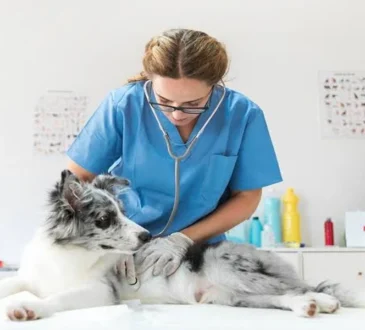

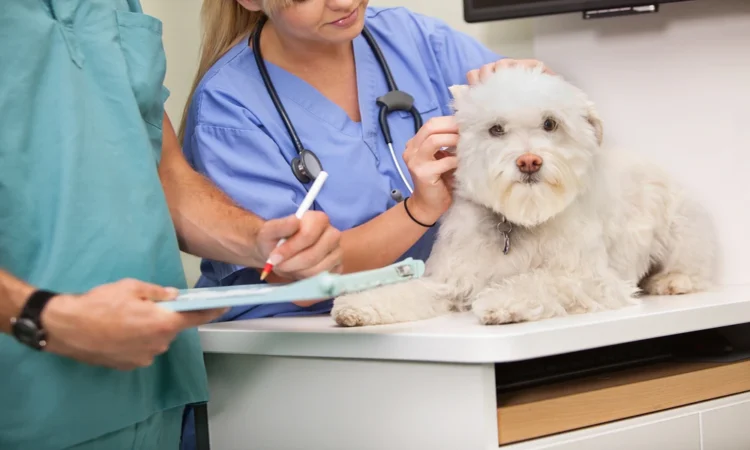
You might not think about the team behind the exam room until your pet needs help fast. In that moment, you are not just hoping for a diagnosis. You are hoping the person listening catches a small change in breathing, the technician spots a warning sign early, and the whole hospital moves with calm, steady skill. That is why an animal hospital in Waller County, TX puts real time and money into building a strong team. The short version is simple. A skilled veterinary staff supports safer care, clearer communication, better outcomes, and a more stable experience for both pets and the people who love them.
When a pet is sick, the pressure builds quickly. You are weighing cost, timing, fear, and trust all at once. Because of that tension, it makes sense to ask why one animal hospital seems so focused on hiring, training, and keeping experienced people. Is it really worth the investment? In most cases, yes, because good medicine is rarely the work of one person. It depends on a coordinated group that can think clearly, communicate well, and respond without delay.
Why does a skilled veterinary team matter so much when every minute feels personal?
Even routine visits can shift quickly. A pet comes in for vomiting, then dehydration turns out to be worse than expected. A mild limp leads to imaging and a more serious finding. In those moments, experience matters, but teamwork matters just as much. The veterinarian needs reliable support from technicians, assistants, client service staff, and managers who keep the day from sliding into chaos.
Without that support, small gaps can grow. Instructions may be missed. Follow up may be delayed. Clients may leave confused about medication, diet, or warning signs to watch at home. That confusion can lead to repeat visits, extra costs, and more stress for everyone involved. A hospital with a skilled veterinary team is trying to reduce those gaps before they affect your pet.
There is also a human side that pet owners often sense right away. Burnout in veterinary medicine is real, and it affects care, morale, and retention. Research from Cornell University on anti burnout interventions in veterinary settings points to the need for structured support within clinics and hospitals. When hospitals invest in healthier work environments, they are not only helping staff cope. They are protecting consistency in care, which directly affects your experience and your pet’s treatment.
What problems can happen when an animal hospital does not invest in its people?
It often starts quietly. Staff turnover increases. Appointment flow slows down. Phone calls take longer to return. Pets may still receive treatment, but the process feels rushed, uneven, or hard to understand. You may leave with a plan, yet still feel unsure about what happens next.
Now imagine the opposite. A hospital invests in training, case review, continuing education, and support for staff well being. That creates a culture where people stay longer, communicate better, and catch details earlier. New research continues to support the value of strong clinical systems and team based care. Studies such as this PubMed indexed veterinary research and this related clinical PubMed study add to a growing body of evidence that better processes and better supported teams improve how care is delivered.
So, where does that leave you as a pet owner? It means the quality of a hospital is not only about equipment or building size. It is also about whether the people inside can work together under pressure. A well staffed animal hospital care team can explain options clearly, monitor patients closely, and help you make decisions with less confusion.
How does investment in veterinary staff translate into better care you can actually see?
| Hospital Approach | What You May Notice | Why It Matters |
|---|---|---|
| Ongoing clinical training | Clearer explanations and more confident treatment plans | Reduces errors and supports faster, more informed decisions |
| Strong technician support | Smoother appointments, closer monitoring, better discharge guidance | Helps pets receive consistent care before, during, and after treatment |
| Burnout prevention and staff support | Calmer communication and lower turnover | Creates continuity, which helps clients build trust over time |
| Team based workflow systems | Fewer delays and better follow up | Improves coordination across exams, testing, and treatment |
This is where the investment becomes visible. You may not see the training sessions, mentorship, or staffing meetings, but you do see the result. Your questions get answered. Medication instructions make sense. A technician notices your pet seems more painful than expected. The front desk knows when to move quickly. That is not luck. That is structure.
It also helps financially, even if that sounds backward at first. Better communication can prevent avoidable repeat visits. Better monitoring can catch a problem before it becomes an emergency. Better teamwork can help you understand what is urgent, what can wait, and what options fit your budget. A strong veterinary hospital team does not remove every hard choice, but it can make those choices clearer.
What can you do right now if you want the best support from an animal hospital?
1. Ask how the team works together. You do not need a technical answer. Ask who handles follow up calls, who monitors hospitalized pets, and how urgent cases are managed. A good hospital can explain its process in plain language.
2. Pay attention to communication, not just credentials. Skilled care includes listening, teaching, and setting expectations. If a team explains next steps well, answers questions with patience, and gives you clear warning signs to watch for, that is a strong sign of quality.
3. Look for consistency over time. One smooth visit is helpful, but long term patterns matter more. Does the hospital seem organized each time? Do staff members know your pet’s history? Does the general animal hospital experience feel steady even on busy days? Consistency often reflects a team that is supported, trained, and working well together.
Why does all of this matter when you are simply trying to help your pet feel better?
Because when your pet is vulnerable, skill is not an extra. It is the foundation. Animal hospitals invest in strong teams so care is safer, communication is clearer, and stressful moments feel a little less overwhelming. You may never see every part of that investment, but your pet benefits from it every step of the way.
If you are choosing an animal hospital, trust what careful teamwork looks and feels like. Ask questions, notice how the staff communicates, and seek out a place where people seem prepared, steady, and supported. That kind of care can make a hard day easier, and it can make a real difference in your pet’s health.