
You might be noticing small changes that are easy to brush off at first. Bad breath that seems stronger than it used to be. A pet who drops kibble, chews on one side, or pulls back when you touch the face. Then, once you start wondering if it is “just teeth,” the worry often gets bigger, because you know discomfort in the mouth can affect far more than eating. The short answer is yes. At a North Austin animal hospital, how veterinary dentistry supports whole body health comes down to one simple truth. A healthy mouth helps protect comfort, nutrition, and the health of organs throughout the body.
That can feel like a lot to take in, especially if your pet seems normal in every other way. Many dogs and cats hide pain well, and dental disease often builds slowly. Because of that, it is common for families to miss the early signs. Still, early care matters. Good dental care from a general veterinarian can reduce pain, improve quality of life, and lower the burden that chronic oral infection places on the body.
Why can dental disease affect more than your pet’s mouth?
It helps to start with what is happening below the gumline. Plaque and tartar do not just sit on the teeth. They create irritation and infection in the gums and deeper tissues that hold the teeth in place. Over time, that inflammation can lead to periodontal disease, loose teeth, pain, and trouble eating. So where does that leave the rest of the body?
When the mouth stays inflamed, bacteria and inflammatory compounds may enter the bloodstream. That means the problem is no longer only local. Research has looked at links between periodontal disease and whole body health in dogs, including changes in systemic health markers. You can read more in this AVMA journal summary on periodontal disease and systemic health indices in dogs.
In everyday terms, a sore and infected mouth can affect appetite, mood, sleep, grooming, and energy. A pet may seem older, less playful, or more withdrawn when the deeper issue is oral pain. That is one reason pet dental health and overall wellness are so closely connected. When the mouth feels better, many pets return to normal habits quickly, which can be a relief for everyone in the home.
What does a general veterinarian look for during veterinary dental care?
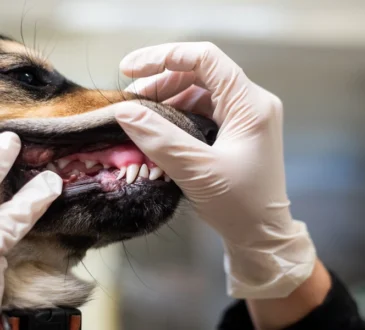
Dental visits are about more than spotting tartar. A general veterinarian checks for inflamed gums, broken teeth, pockets around the teeth, oral masses, jaw pain, and signs that chewing has become uncomfortable. In many cases, the visible tartar is only part of the story. Disease under the gumline can be much more serious than what you see at home.
This is where people sometimes get stuck. If a pet is still eating, it is easy to assume the mouth cannot be that painful. But pets often adapt. They may swallow food with less chewing, avoid hard toys, or stop playing tug. What if the “picky eating” you have been managing for months is actually a sign of discomfort? That is why veterinary oral health care is not a cosmetic service. It is a medical one.
If you want a plain language overview of home care, warning signs, and professional cleanings, the AVMA offers a helpful pet dental care brochure. For a broader look at veterinary dentistry resources, this AVMA veterinary dentistry resource can also help you understand what proper dental care involves.
How does at home care compare with professional veterinary dentistry?
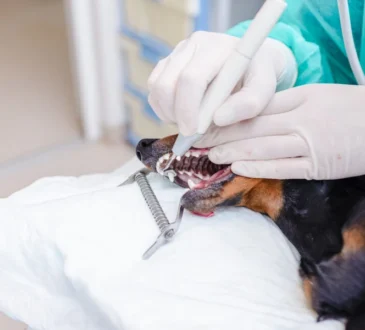
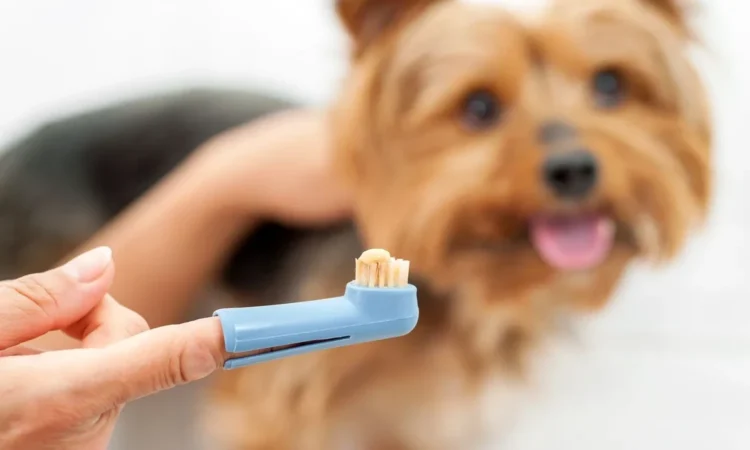
Home care matters a great deal, but it has limits. Brushing can slow plaque buildup and support gum health, yet it cannot treat advanced periodontal disease hiding below the gumline. Professional care through a general veterinarian allows a full oral exam, cleaning, and treatment plan based on what your pet actually needs.
| Approach | What It Helps With | Limits | Best Use |
|---|---|---|---|
| At home brushing and dental diets | Reduces plaque buildup, supports fresher breath, helps maintain gum health | Cannot diagnose hidden disease or remove tartar under the gums | Daily prevention between veterinary visits |
| Professional dental exam and cleaning | Finds pain, infection, broken teeth, gum pockets, and deeper periodontal disease | Requires scheduling, cost planning, and follow through at home | Diagnosis, treatment, and a reset for oral health |
The choice is not really one or the other. It is both. Prevention at home supports long term health, while professional care addresses what brushing cannot reach. That balance often saves money and stress over time, because untreated dental disease can become more painful and more expensive to manage later.
What can you do right now to support your pet’s whole body health?
1. Watch for the quiet signs. Bad breath, drooling, pawing at the mouth, dropping food, chewing slowly, and changes in mood all matter. Even subtle changes can point to oral pain.
2. Schedule a dental evaluation with a general veterinarian. A proper exam helps separate mild plaque from deeper disease. It also gives you a realistic plan based on your pet’s age, breed, and current health.
3. Start a simple home routine. If your veterinarian says it is appropriate, begin with pet safe tooth brushing a few times a week and build from there. Small, steady habits are often easier to keep than an ambitious plan that fades after a week.
When you care for the mouth, are you also caring for the rest of the body?
In many cases, yes. That is the heart of how veterinary dentistry supports whole body health. Dental disease is not just about breath or stained teeth. It is about pain, inflammation, eating, behavior, and the strain that chronic infection can place on the body. Once you know that, it becomes easier to see dental care as part of regular medical care, not a separate extra.
If your pet has been showing signs that something is off, trust that instinct and schedule a visit with a general veterinarian. Taking action now can bring comfort, protect health, and help your pet feel more like themselves again.