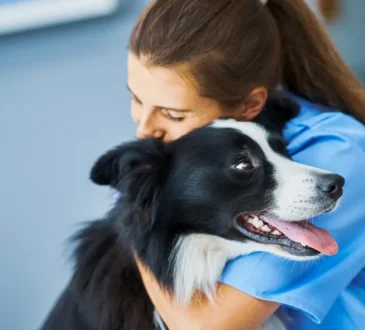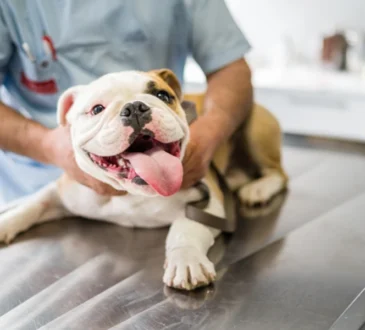

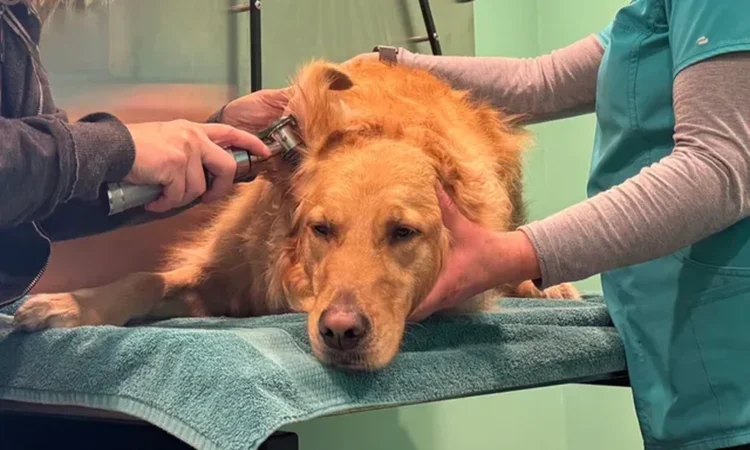
You might have noticed the change before anyone else did. Maybe your cat started drinking more water, or your dog seemed tired after a short walk, and now what used to feel simple, feeding, playing, resting, comes with a layer of worry. Once a pet is living with a long term illness, every small shift can feel loaded. Is this normal today, or is something getting worse? That is where the role of animal hospitals and access to veterinary in West Hampton in monitoring chronic conditions becomes so important. Regular follow up care helps catch changes early, adjust treatment, and give you a clearer sense of what your pet needs now, not just what they needed at diagnosis.
Chronic conditions in pets rarely stay still. Kidney disease, diabetes, arthritis, heart disease, and thyroid issues can all change over time, even when you are doing everything right at home. Because of that, an animal hospital is not just the place you go when something is wrong. It becomes a steady partner in watching patterns, testing progress, and helping you make calm decisions when the path feels uncertain.
Why does ongoing monitoring matter when your pet already has a diagnosis?
A diagnosis can bring relief because you finally have a name for what is happening. At the same time, it can also open a new kind of stress. You may be wondering how often your pet needs testing, whether medication is still working, or how to tell the difference between a bad day and a real decline. Those are fair questions, and they are exactly why ongoing monitoring matters.
Many chronic illnesses do not show obvious signs right away when they worsen. A pet with chronic kidney disease, for example, may seem mostly normal while dehydration, weight loss, or lab value changes slowly build. Cornell’s feline health experts explain that chronic kidney disease in cats often requires repeat bloodwork, urine testing, blood pressure checks, and nutritional support over time. In other words, treatment is not one single event. It is a process of watching, adjusting, and protecting quality of life.
The same is true for diabetes. Blood sugar can shift with appetite, stress, infection, weight change, or even changes in routine. Texas A&M’s work around canine diabetes reflects how much careful monitoring shapes outcomes for dogs living with this condition. So, where does that leave you? It means home care matters a great deal, but professional follow up is what turns scattered observations into a treatment plan that actually keeps up with your pet’s needs.
How do animal hospitals track chronic illness without turning every visit into a crisis?
One of the hardest parts of chronic disease is the fear that every appointment will bring bad news. In reality, many checkups are about staying ahead of trouble, not reacting to disaster. Pet hospital chronic care monitoring often includes weight checks, lab work, blood pressure readings, medication reviews, mobility assessments, and conversations about appetite, thirst, sleep, and behavior. These details may seem small on their own, but together they tell a much fuller story.
Think about a dog with arthritis. If your pet is still eating and wagging their tail, it may be easy to assume pain control is working. But an animal hospital may notice muscle loss, reduced joint range, or subtle gait changes that suggest the current plan is no longer enough. A cat with kidney disease may still be affectionate and alert, yet bloodwork may show rising values that call for diet changes or fluid support. A pet with heart disease may seem stable until breathing rate trends say otherwise.
This is the quiet strength of chronic condition monitoring for pets. It creates a record over time. Instead of relying on one stressful day or one vague impression, your care team can compare trends and respond with more confidence.
What practical signs should you and your animal hospital watch together?
When pets live with chronic illness, the best care usually comes from shared observation. You see daily habits at home. The animal hospital sees medical patterns and clinical changes. Both matter.
| What to Monitor | What You May Notice at Home | What the Animal Hospital May Check | Why It Matters |
|---|---|---|---|
| Weight | Looser collar, visible ribs, less interest in food | Accurate weight trends, body condition score | Weight loss can signal disease progression or poor treatment response |
| Thirst and urination | Refilling bowls more often, more litter box use, accidents | Urinalysis, kidney values, glucose testing | Changes may point to diabetes, kidney disease, or medication effects |
| Energy and mobility | Less play, slower stairs, stiffness after rest | Joint exam, pain assessment, muscle condition | Helps adjust pain control and mobility support |
| Appetite and nausea | Picking at food, vomiting, lip licking | Lab work, dental check, medication review | Can reflect organ changes, pain, or side effects |
| Breathing and heart health | Faster resting breaths, coughing, tiring easily | Heart and lung exam, imaging, blood pressure | May show heart or lung disease is changing |
If that sounds like a lot, it is. But it is also manageable when you break it into patterns instead of isolated moments. A good animal hospital helps you focus on what is worth tracking so you are not left guessing every day.
What can you do right now to support better long term care?
1. Start a simple health log.
Write down appetite, water intake, bathroom habits, energy, weight if possible, and any new symptoms. Keep it short so you will actually use it. A few lines each day can help your veterinary team spot trends much faster than memory alone.
2. Keep follow up visits even when your pet seems stable.
Stability is good news, but it still needs to be confirmed. Many chronic illnesses change quietly. Routine exams and testing at an animal hospital can reveal small shifts before they become emergencies, which often means simpler treatment and less stress for both of you.
3. Ask what changes should trigger a call.
You should not have to guess what counts as urgent. Ask for clear guidance about red flags such as vomiting, missed meals, trouble breathing, weakness, sudden weight loss, or changes in thirst and urination. When expectations are clear, you can act sooner and feel less stuck.
When does steady monitoring become peace of mind?
Usually, it happens little by little. You stop feeling like you are reacting to every symptom alone, and you start seeing a plan take shape. The role of animal hospitals in monitoring chronic conditions is not only medical. It is also emotional. Consistent care gives you context, and context makes fear easier to carry.
If your pet is living with a chronic illness, regular monitoring can protect comfort, support treatment, and help you make thoughtful choices at each stage. You do not need to have every answer today. You just need a clear next step and a team that will keep watching with you.