
You might be staring at an estimate for a dental cleaning from a Beaumont, TX animal hospital, seeing the anesthesia line item, and feeling your stomach tighten. You love your pet. You know their breath is bad, you see the tartar, maybe you have even noticed them chewing on one side. At the same time, the idea of putting them under anesthesia makes you nervous. You might be wondering if a simple “awake cleaning” would be safer and cheaper, or if you are somehow overreacting by worrying at all.end
This is a hard place to be. You are trying to make a medical decision for someone who cannot speak, and you are being asked to trust a process you cannot see. That is a lot to carry.
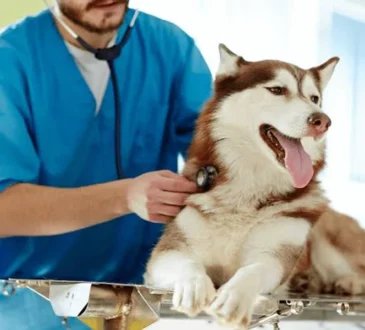
Here is the short version. A true veterinary dental cleaning under anesthesia is very different from a quick scraping while your pet is awake. It is a medical procedure that cleans both above and below the gumline, checks every tooth, and protects your pet’s airway and comfort. Anesthesia is what makes that level of care possible and safe. When it is done carefully, with proper monitoring and planning, the benefits usually outweigh the risks for most pets.
So where does that leave you when you are staring at that estimate and feeling unsure?
What is actually happening in your pet’s mouth right now?
It usually starts quietly. A little bad breath. A bit of yellow on the back teeth. Your pet still eats, still plays, still wags or purrs, so it is easy to shrug it off. Life is busy, and they seem fine.
The problem is that dental disease rarely stays mild. Plaque turns into hard tartar. Bacteria sit along the gumline every hour of every day. Gums get red and sore. Over time, that infection creeps below the surface and begins to damage bone and the roots of the teeth. By the time pets show obvious signs like dropping food, pawing at the mouth, or refusing hard treats, they may already have loose or broken teeth and deep infection.
This is not just a mouth problem. Dental disease has been linked with heart, kidney, and liver strain in pets. Chronic pain can also change behavior. A normally sweet dog may get snappy when you touch their face. A once social cat may hide more. It is not “grumpiness.” It is discomfort.
So the real question becomes, not “Is this cosmetic” but “How much is this hurting them, and what will it cost them if I wait longer?”
Why is anesthesia such a big part of a proper pet dental cleaning?
Because of this tension between fear of anesthesia and worry about pain, you might wonder if an “awake cleaning” could be a good compromise. It sounds gentler. It sounds safer. It sounds cheaper.
Here is the hard truth. A proper professional dental cleaning for pets requires your pet to be completely still, pain free, and protected. That is what anesthesia allows.
Under anesthesia, the veterinary team can:
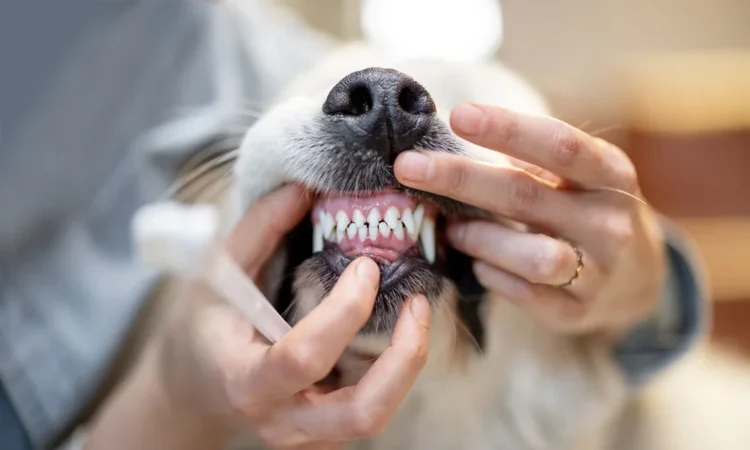
- Clean above and below the gumline where disease actually lives, not just on the visible surface.
- Take dental X rays to find hidden problems like root abscesses or bone loss.
- Examine every tooth individually, including the back molars that are impossible to reach in an awake mouth.
- Protect your pet’s airway with a breathing tube so water and debris do not go into the lungs.
- Control pain with local blocks and medications so your pet wakes up comfortable.
In contrast, an awake “cosmetic” cleaning can only touch the visible part of the tooth. That scraping can make teeth look better for a short time, but it leaves the dangerous plaque and bacteria under the gumline untouched. It can also be stressful and even painful for your pet, who has no idea why someone is holding their mouth open and scraping their teeth.
If you want a clear, medical description of what a full veterinary dental procedure includes, the Oregon Veterinary Medical Association has an excellent step by step overview of what happens in a veterinary dental cleaning.
Is anesthesia safe for my pet, or is my fear justified?
Your fear of anesthesia is not silly. It is natural to worry when your pet is being put under. No anesthetic procedure is zero risk. The key question is how that risk is managed.
Modern veterinary anesthesia is much safer than it used to be. Before any procedure, a good general veterinarian will recommend bloodwork and a physical exam to look for hidden problems. They will choose medications tailored to your pet’s age, breed, and health. During the cleaning, trained staff should be monitoring heart rate, blood pressure, oxygen levels, and breathing.
There are published guidelines that veterinarians use to keep anesthesia as safe as possible. If you are curious or want something to bring to a conversation with your vet, the American Animal Hospital Association shares detailed anesthesia and monitoring guidelines that many clinics follow.
So the real decision is not “anesthesia or no anesthesia.” It is “properly monitored anesthesia with a full cleaning, or ongoing infection and pain that never really get addressed.”
How do awake cleanings compare to anesthetic dental cleanings?
When you are trying to weigh your options, it can help to see the differences side by side. This is not about shaming one path or another. It is about clarity.
| Question | Awake “Non Anesthetic” Cleaning | Pet dental cleaning with anesthesia |
|---|---|---|
| Can it clean under the gumline where disease lives | No. Only surface tartar can be scraped. | Yes. Full scaling above and below the gumline. |
| Can dental X rays be taken | Usually no. Pet cannot stay still enough. | Yes. Full mouth X rays are standard in quality care. |
| Can painful or infected teeth be treated | No. Extractions or advanced care are not possible. | Yes. Diseased teeth can be removed or treated in the same visit. |
| Stress for the pet during procedure | Often moderate to high, especially for anxious pets or cats. | Low during the procedure. Pet is asleep and pain managed. |
| Short term appearance | Teeth may look cleaner on the surface. | Teeth look cleaner and gums are treated at the source. |
| Long term effect on health | Limited. Disease under the gumline continues. | Real impact on pain, infection, and overall health. |
| Typical cost | Lower upfront cost. | Higher upfront cost, but addresses more problems at once. |
Seeing it laid out like this, many people realize that what sounded like a gentle compromise is really a temporary cosmetic touch up. The deeper infection that hurts your pet is still there.
What can you do right now to protect your pet’s mouth and your peace of mind?
It is easy to feel stuck between fear and guilt. You do not have to stay there. There are concrete steps you can take today.
1. Ask your veterinarian detailed questions about anesthesia and monitoring
You are allowed to ask. In fact, a good veterinary team will welcome it. Consider questions like:
- What pre anesthetic tests do you recommend for my pet and why
- Who will be monitoring my pet during anesthesia and what equipment do you use
- How do you manage pain before, during, and after a pet dental procedure
- What is your plan if my pet has an unexpected reaction
The goal is not to catch anyone out. It is to help you feel that there is a clear, thoughtful plan for your particular animal.
2. Have an honest conversation about timing and staging care
If the estimate feels overwhelming, say so. Ask your general veterinarian to walk you through what is urgent and what could possibly wait. Sometimes, care can be staged. For example, the most painful infected teeth might be addressed first, with follow up cleanings or additional work later. You can also ask if there are payment options to spread costs out.
It is much kinder to your pet, and often cheaper in the long run, to address dental disease before it becomes an emergency with facial swelling or severe infection.
3. Start or upgrade at home dental care today
Professional treatment is only part of the picture. What you do at home can slow future disease. Depending on what your veterinarian recommends, this might include:
- Daily or near daily tooth brushing with pet safe toothpaste.
- Dental diets or treats approved by your vet.
- Water additives or gels designed for dental support.
If brushing feels impossible right now, that is okay. Start with what your pet will tolerate and build from there. Any routine you can keep up is better than a perfect routine you abandon after a week.
Moving forward with more clarity and less fear
You are not wrong to feel anxious about anesthesia or to worry about cost. You are also not wrong to want your pet to be free from constant, quiet mouth pain. Those feelings can coexist.
Understanding what happens during a pet dental cleaning under anesthesia and why anesthesia matters can turn a scary unknown into a planned medical procedure with clear benefits. From there, you and your veterinarian can work together to choose the safest timing, the right tests, and a pain control plan that respects both your pet and your budget.
You do not have to have every answer today. Start with one conversation. Ask one more question than you did last time. Take one small step with at home care. Each of those choices protects the animal who trusts you, and that is what this is really about.