

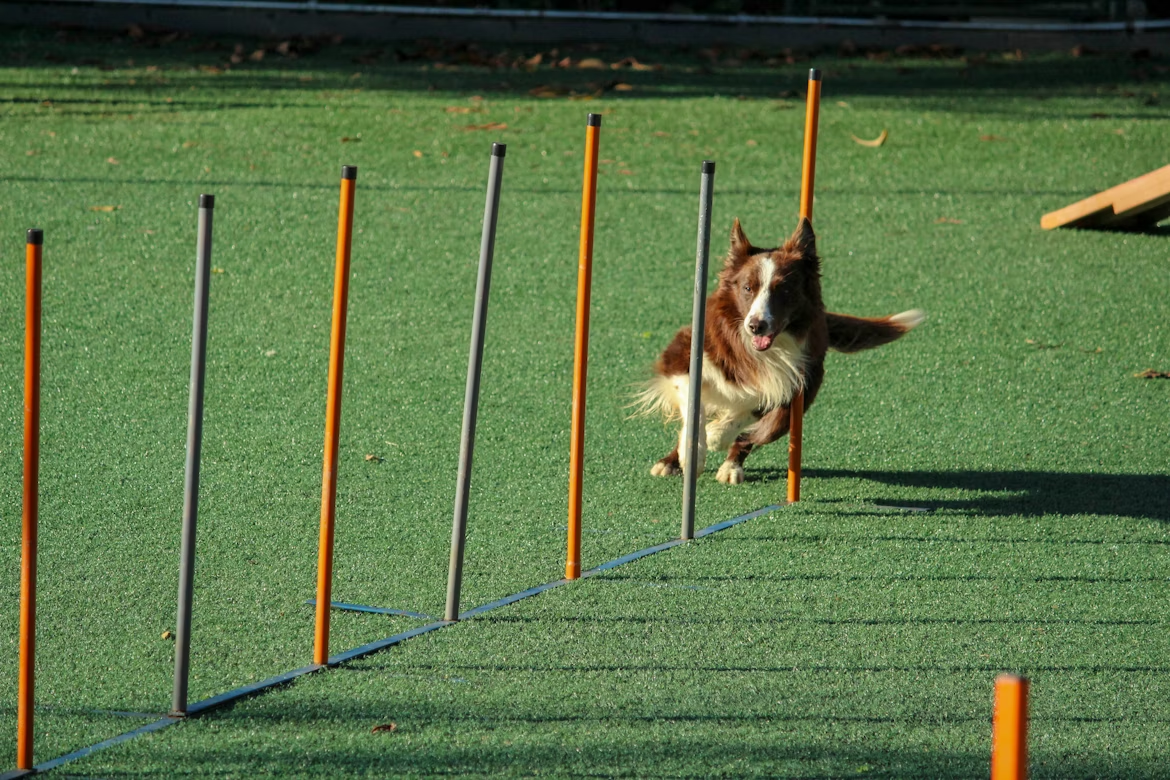
Dog training is not just about teaching obedience; it is also a vital tool for socialization and building confidence in dogs. Proper socialization helps dogs interact safely and positively with other animals, people, and new environments. Confidence building ensures that dogs can handle unexpected situations without fear or aggression. Integrating socialization and confidence-building exercises into dog training creates well-adjusted, happy, and adaptable pets.
1. The Importance of Socialization in Dog Training
Socialization is a critical aspect of dog training that affects a dog’s behavior throughout its life. Dogs that are properly socialized are less likely to develop aggression, fear, or anxiety in new situations.
Dog training sessions that include exposure to various people, animals, and environments help dogs learn appropriate behavior and responses. Early and consistent socialization during dog training ensures that dogs grow up to be confident and friendly companions.
2. Confidence Building Through Positive Reinforcement
Dog training uses positive reinforcement techniques to build confidence in dogs. Rewarding desired behaviors with treats, praise, or toys encourages dogs to repeat those behaviors. This approach helps shy or fearful dogs gradually become more comfortable in different situations.
Confidence-building exercises within dog training allow dogs to explore new environments, try new tasks, and overcome fears in a safe and controlled manner.
3. Structured Socialization Exercises
Structured socialization exercises are a key part of effective dog training. These exercises might include controlled playdates with other dogs, supervised interactions with strangers, or exposure to busy streets and parks.
By gradually introducing dogs to new experiences, dog training helps reduce stress and prevents overreactions. Structured socialization allows dogs to practice calm and appropriate behaviors in a variety of settings, reinforcing both obedience and confidence.
4. Addressing Behavioral Challenges
Dog training for socialization and confidence building also helps address behavioral challenges. Dogs that are anxious or reactive may struggle in unfamiliar situations, which can lead to aggression or avoidance.
Through consistent dog training techniques, owners can teach dogs to respond calmly and confidently to triggers. Techniques such as desensitization, counter-conditioning, and reward-based reinforcement help dogs overcome fears and develop better coping mechanisms.
5. Benefits of Socialized and Confident Dogs
Well-socialized and confident dogs are happier, safer, and easier to manage. Dog training that focuses on these aspects improves the overall quality of life for both dogs and their owners. Socialized dogs enjoy outings, meet new friends, and adapt to changing environments without stress. Confident dogs are more likely to respond positively to commands and less likely to display fear-based behaviors, making dog training an essential investment in a dog’s long-term wellbeing.
Final Thoughts
Incorporating socialization and confidence-building strategies into dog training creates a balanced and well-behaved pet. By exposing dogs to new experiences, using positive reinforcement, and addressing behavioral challenges, dog training helps dogs develop the skills they need to thrive in everyday life.
Owners who commit to comprehensive dog training ensure that their pets grow into confident, adaptable, and sociable companions capable of enjoying a wide range of environments and interactions, while also strengthening the bond between dog and owner and promoting long-term emotional stability.