
As a pet blogger who’s swapped countless tales with dog owners, I’ve seen the thrill when a pup picks up a new trick. There’s something special about turning a bouncy furball into a well-mannered buddy, all from your living room. A dog leash and collar—like those from brands such as Voyager Harness—can be a training superstar, making everyday moments into fun learning sessions. My own scrappy terrier, Milo, was a leash-tangling terror when I first got him, but a handful of games flipped the script. Here’s how to use a dog leash and collar to train your dog at home, pulled from Milo’s antics and tips from fellow pet parents.
Why Leash and Collar Games Are a Win
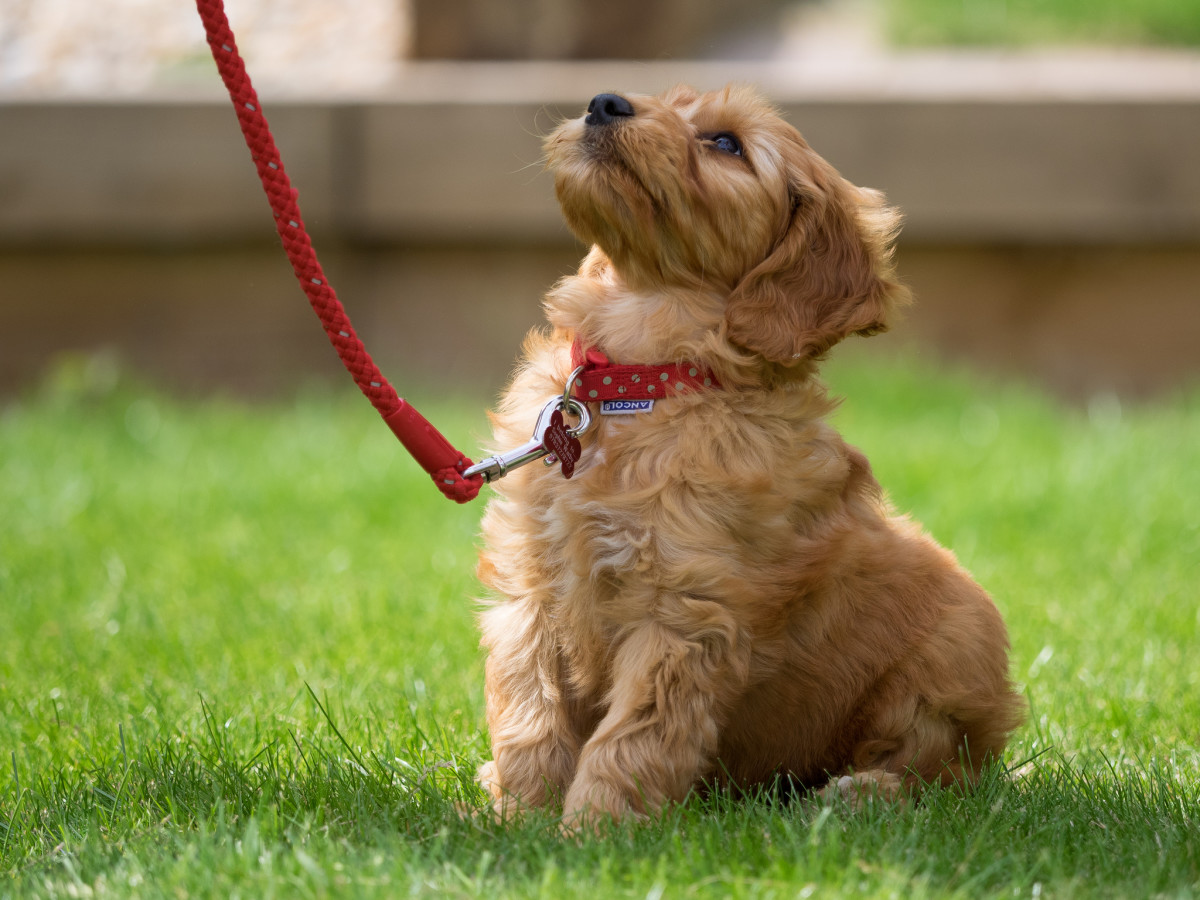
Every dog owner knows the chaos of a pup who thinks the leash is a chew toy or bolts after every squirrel. A dog leash and collar isn’t just for walks—it’s a training powerhouse. The leash offers gentle guidance, teaching focus, while the collar keeps dogs secure. These tools bring structure, especially for puppies or high-energy breeds who need clear cues. Unlike treats alone, which can lose their sparkle, leash games keep dogs hooked through play. A lightweight 6-foot leash paired with a collar that fits snugly—two fingers should slide underneath—turns training into a romp, not a slog.
Top Games to Play with a Leash and Collar
Here are some dog leash and collar games that make training a blast, tested with Milo and shared by dog-loving readers.
- Follow the Leader: This builds loose-leash skills. In a quiet room, clip on the dog leash and collar, hold a treat by your side, and take a few steps. Reward with a “good dog!” if they stay close without yanking. Pause if they pull. Milo went from leaping like a bunny to sticking by me in days. Keep sessions to 5 minutes for young pups.
- Stop and Start: Perfect for impulse control. Walk forward saying “go,” then halt with a cheery “stop!” and hold the leash gently to keep the dog still. Reward pauses. Milo loves this in the backyard, and it’s cut his leash-pulling nonsense. It’s like a doggy version of freeze tag.
- Snack Search: This sharpens focus. Scatter treats in a small area, clip on the dog leash and collar, and guide the dog to sniff them out. Hide treats under a towel as they improve. Milo goes bonkers for this, and it’s a mental workout that tires him out.
- Twirl Around: Teach flexibility. Hold the leash loosely, walk in a circle, and say “follow!” Switch directions with a peppy “turn!” and reward when they keep up. This helped Milo stay glued to me, even with birds chirping nearby.
These games are simple, need no fancy setup, and make training feel like playtime.
Tips to Make Games Shine
To rock these dog leash and collar games, try these pointers from my time with Milo:
- Start Quiet: Begin indoors where distractions are low. Milo was too wild for the park at first. Short 5-minute bursts keep dogs engaged.
- Keep It Upbeat: Use treats or a happy “yes!” Don’t tug the dog leash and collar—pause and redirect with a fun tone. Milo loves a chipper “let’s go!”
- Check the Fit: Ensure the collar isn’t loose or frayed. A bad fit risks escapes or discomfort. Clean it regularly to avoid skin issues.
- Mix It Up: Rotate games to avoid boredom. Milo zones out on repeats, but switching games keeps him pumped.
- Spot Tiredness: If the dog chews the leash or flops—Milo’s signature drama move—it’s break time.
These habits make games fun and build a stronger bond.
Conclusion
With a dog leash and collar, your home becomes a training playground. Keep it fun, stay patient, and consult a vet for tailored tips. Milo’s journey and reader stories show these games turn rambunctious pups into happy pals.