
Table of Contents
- Introduction
- Types of Tropical Shrimp
- Benefits of Keeping Tropical Shrimp
- How to Care for Tropical Shrimp
- Common Problems with Tropical Shrimp and How to Avoid Them
- Conclusion
Introduction
Tropical shrimp are a beautiful and beneficial addition to any freshwater aquarium. Known for their vivid colors and unique behaviors, these shrimp not only add aesthetic appeal but also help maintain a clean and healthy tank. In this article, we will explore the different types of tropical shrimp, their benefits, and essential care tips to ensure a thriving shrimp population in your aquarium.
Types of Tropical Shrimp
There are several species of tropical shrimp that are commonly kept in freshwater aquariums. Some of the most popular include:
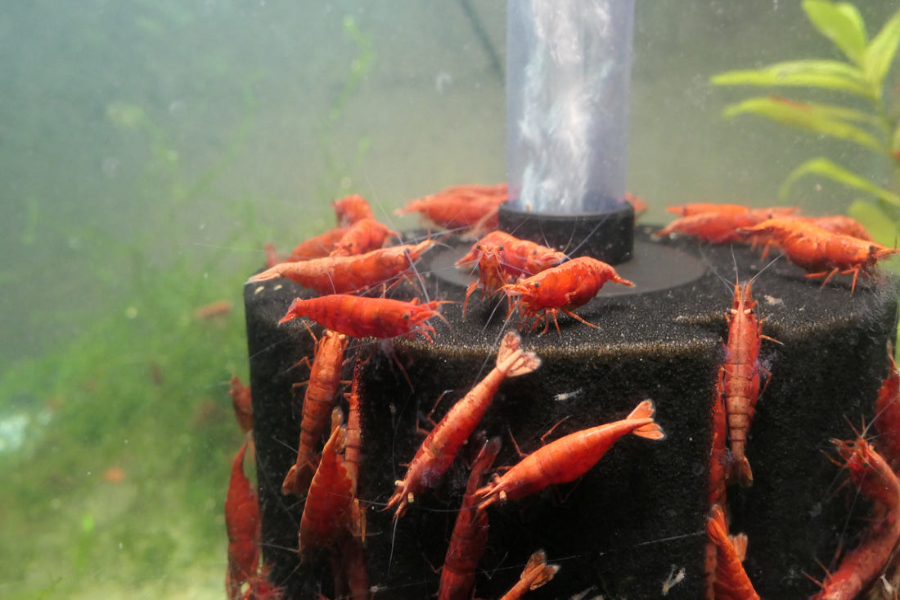
- Cherry Shrimp: A favorite among aquarists, Cherry Shrimp are known for their bright red color, which adds a striking contrast to the aquarium. These shrimp are hardy and thrive in a wide range of water conditions.
- Amano Shrimp: Amano Shrimp are transparent with a distinctive pattern and are highly regarded for their algae-eating abilities. They can grow quite large, making them a great choice for larger aquariums.
- Crystal Red Shrimp: These shrimp are recognized for their striking red and white patterns. They require more precise water parameters and are typically kept by more experienced hobbyists.
- Tiger Shrimp: Known for their unique black-and-orange striped patterns, Tiger Shrimp are another eye-catching species. They are not as common as Cherry or Amano Shrimp but are becoming increasingly popular in the aquarium hobby.
Benefits of Keeping Tropical Shrimp
Tropical shrimp offer several benefits to your aquarium:
- Natural Algae Control: Many tropical shrimp, particularly Amano Shrimp, are excellent at consuming algae. This helps keep your aquarium clean and prevents algae from overtaking your plants and decorations.
- Cleaning Up Leftover Food: Tropical shrimp are scavengers and will eat any leftover fish food, detritus, and organic matter in the aquarium. This keeps your tank clean and helps maintain a healthy environment for other inhabitants.
- Peaceful Nature: Most tropical shrimp are peaceful creatures, making them ideal tank mates for other small fish and peaceful invertebrates. Their non-aggressive nature adds harmony to the aquarium ecosystem.
How to Care for Tropical Shrimp
Proper care is essential for tropical shrimp to thrive. Here are some important care tips:
- Water Quality: Tropical shrimp are sensitive to water quality, so it’s crucial to maintain stable water conditions. Regularly test your aquarium’s water for pH, ammonia, nitrites, and nitrates. Tropical shrimp usually do best in slightly acidic to neutral water (pH 6.5 to 7.5).
- Tank Size and Setup: Tropical shrimp do well in a tank with plenty of live plants and hiding places. A tank size of 20 liters (5 gallons) or more is ideal for most shrimp species. A sponge filter is recommended to avoid sucking up the shrimp with a traditional filter.
- Temperature: Tropical shrimp prefer water temperatures between 22-26°C (72-79°F). Ensure the water temperature remains stable and avoid sudden temperature fluctuations.
- Feeding: Tropical shrimp are omnivorous and will eat algae, detritus, and leftover food. Supplement their diet with shrimp pellets, blanched vegetables, and occasional protein sources like bloodworms.
Common Problems with Tropical Shrimp and How to Avoid Them
While tropical shrimp are relatively easy to care for, they can face a few challenges:
- Molting Stress: Shrimp molt regularly, shedding their exoskeletons as they grow. During this time, they are vulnerable to predation and can experience stress. Ensure they have plenty of hiding spots to retreat to during this process.
- Poor Water Conditions: Tropical shrimp are particularly sensitive to poor water conditions. Elevated ammonia or nitrite levels can harm shrimp, so it’s crucial to maintain water quality and perform regular water changes.
- Aggressive Tank Mates: Although tropical shrimp are peaceful, they can fall victim to larger, more aggressive fish. Avoid keeping shrimp with fish that might see them as food, such as large cichlids or predatory species.
Conclusion
Tropical shrimp are a fantastic addition to any freshwater aquarium, offering both functional benefits and visual appeal. By choosing the right species, providing proper care, and avoiding common pitfalls, you can ensure that your shrimp thrive in a healthy and vibrant tank. Whether you’re a beginner or a seasoned aquarist, tropical shrimp will bring beauty and balance to your aquarium.